
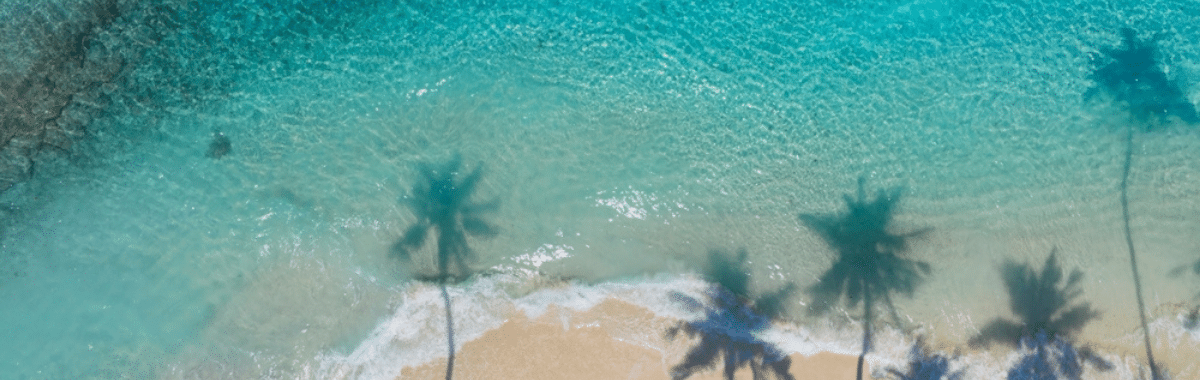
Ask a dozen travelers to picture a cruise, and most will describe the same scene: turquoise water, a swim-up bar, a beach with a hammock. That’s the Caribbean and it’s a wonderful, well-earned classic. But a few thousand miles east, off the coast of Northwest Africa, another archipelago offers an entirely different kind of escape. The Canary Islands trade palm-fringed beaches for volcanic peaks, tropical humidity for eternal spring, and beach clubs for tapas bars tucked into cobblestone plazas.
At Windstar, no one knows both regions better than Jess Peterson, the company’s director, destination experience & itinerary planning. “I love the Caribbean for swimming at the beach, warm weather, and jumping off the watersports platform on our ships,” he tells us. “The Canary Islands are great if you’re looking for temperate weather (it reminds me of California, where I live), natural beauty, and incredible Spanish food. An added bonus: I think Madeira is the secret highlight of the Canary Island itineraries.”
For travelers deciding between the two, or wondering how they’d ever choose one over the other, here’s how these destinations really compare.
The Landscape: Lush vs. Lunar
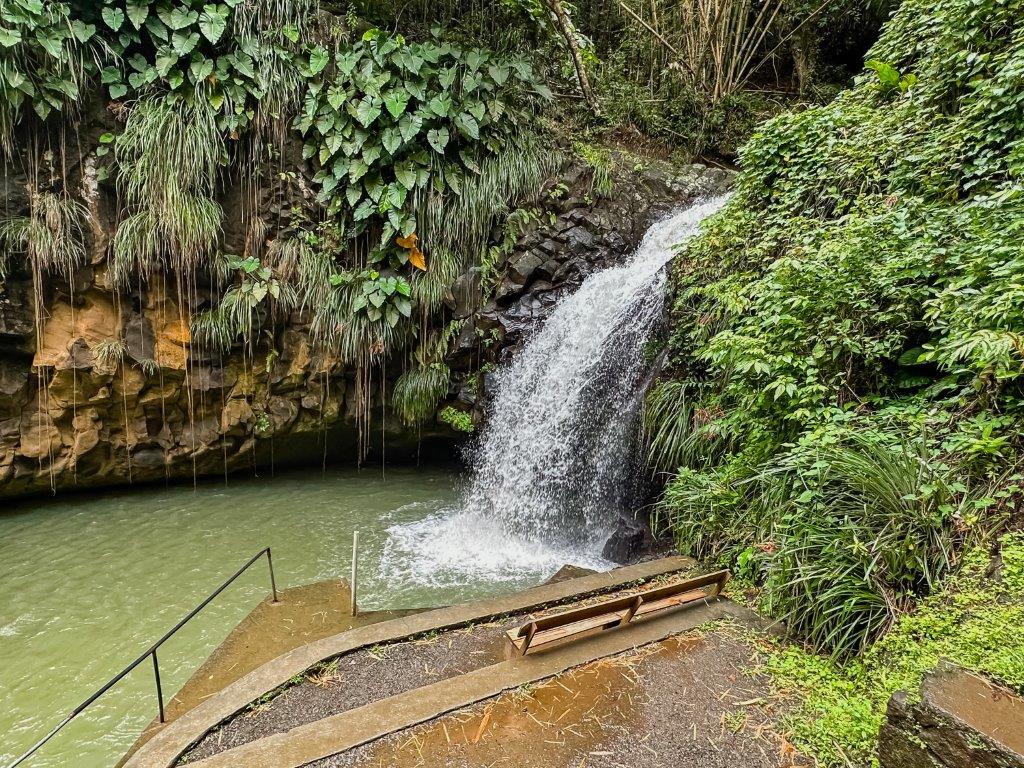
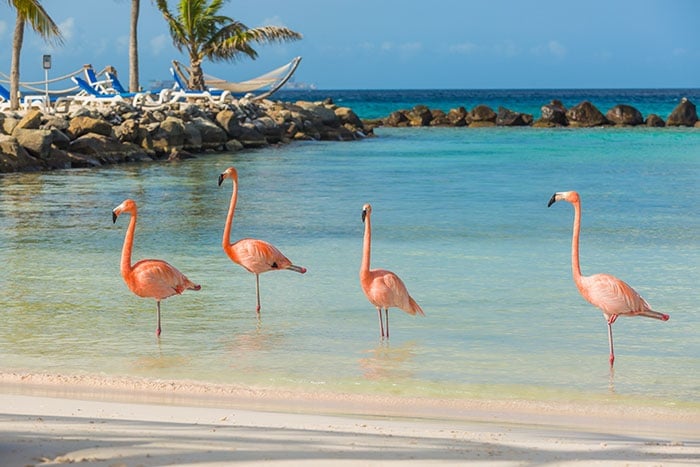
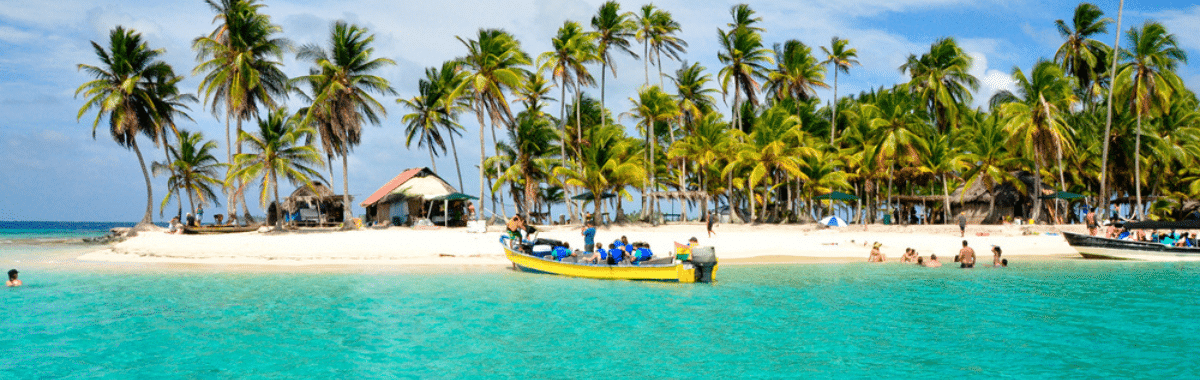
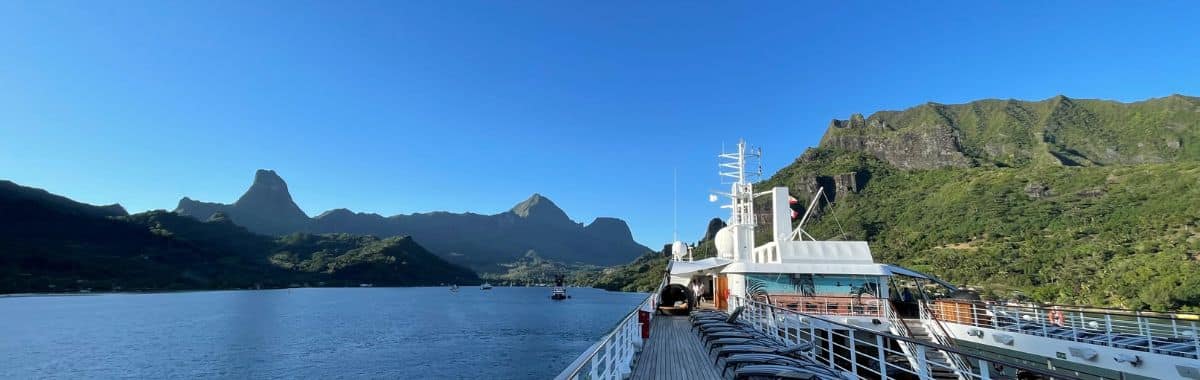
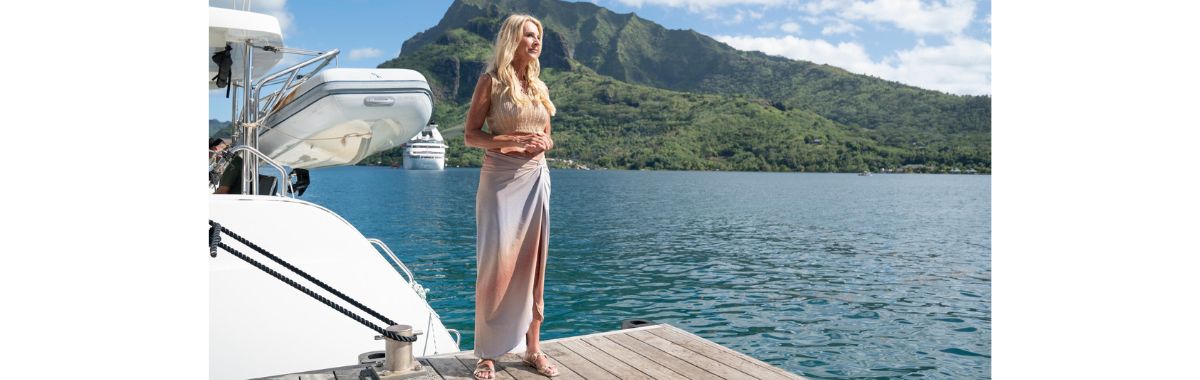
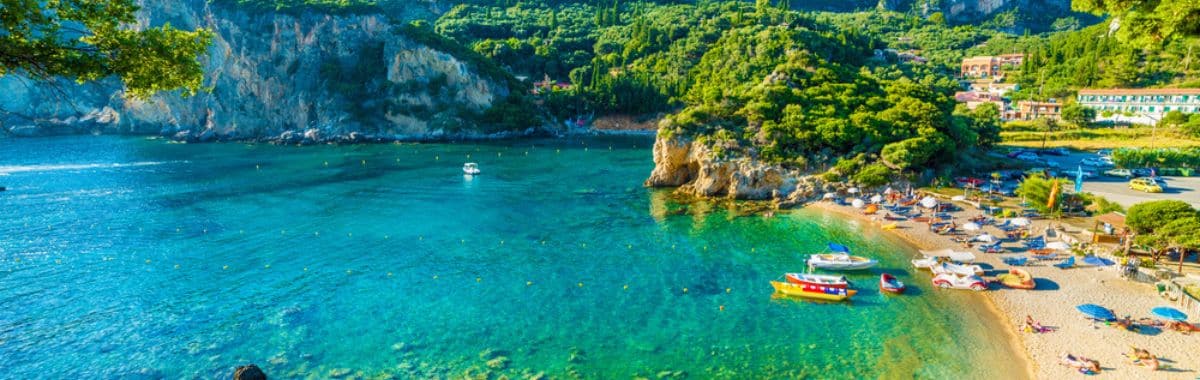
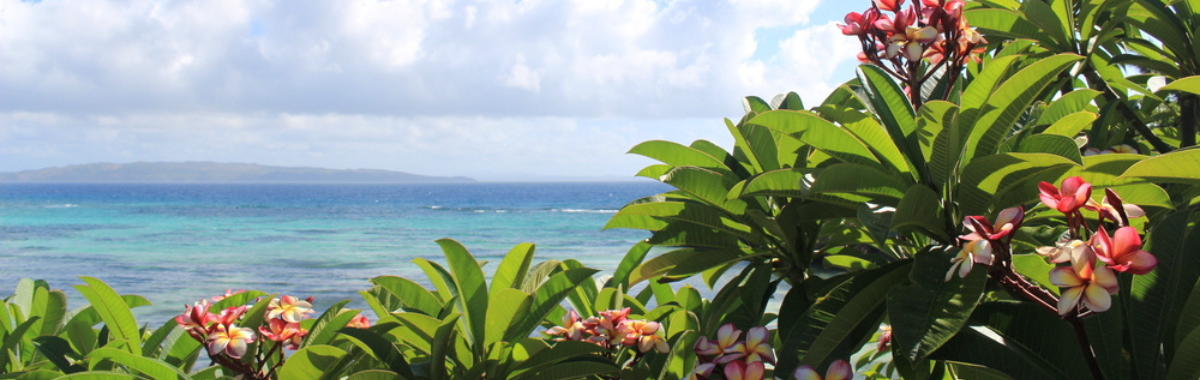
The Caribbean is defined by what’s soft: white sand, swaying palms, coral reefs, water in every shade of blue. It’s a region built for slowing down. The islands, from the sophisticated beaches of St. Barts to the untouched coves of Grenada, reward travelers who want to relax, beautifully or those who want to participate, actively, in watersports.
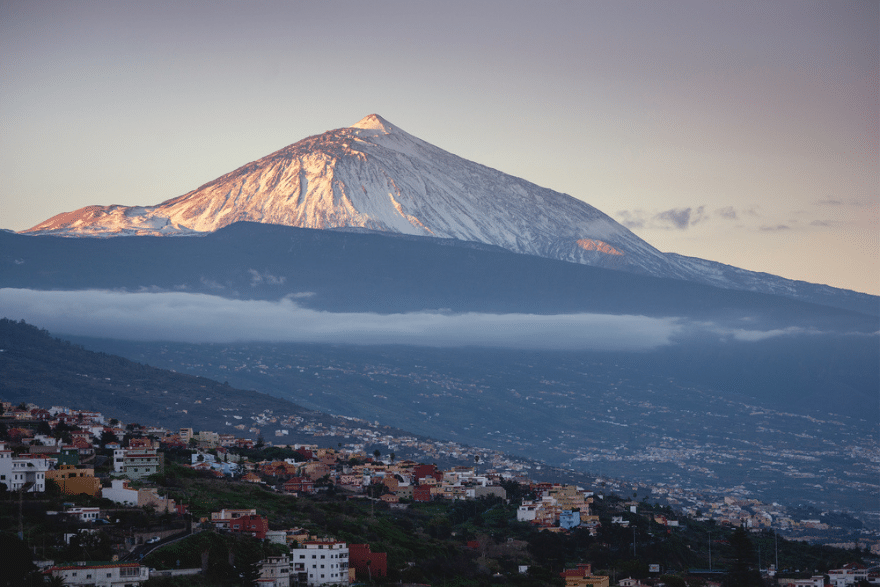
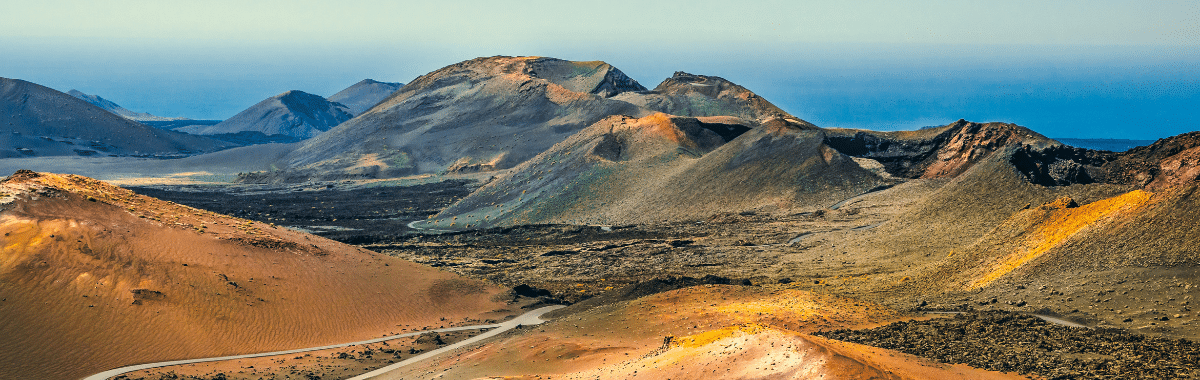
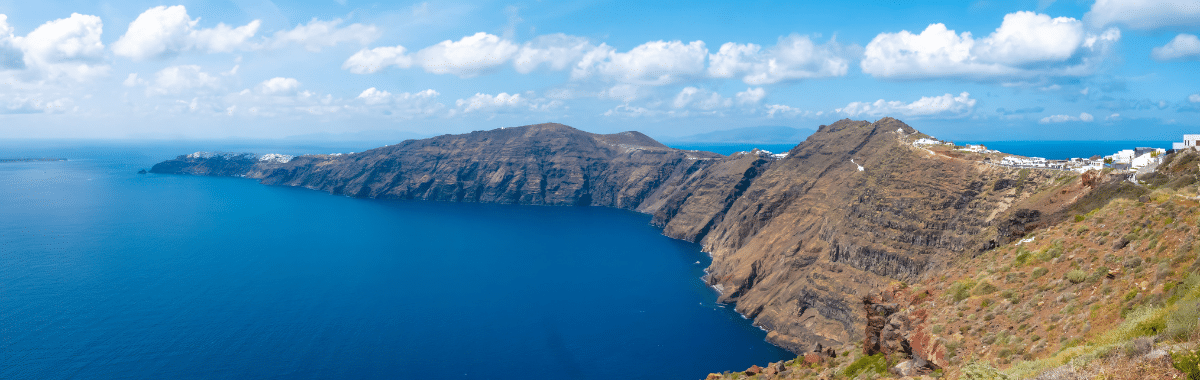
The Canary Islands are defined by what’s dramatic. These are volcanic islands, and it shows — black sand beaches, lunar craters, and terraced hillsides that look more like the Atacama Desert than a typical island getaway. Tenerife’s Mount Teide, Spain’s highest peak, rises straight out of the sea. Lanzarote looks almost extraterrestrial, its landscape shaped by 18th-century eruptions and later reimagined by artist César Manrique into a destination that feels like a sculpture garden. This is a region for travelers who want their scenery to surprise them.
The Season: When to Sail
This is where the two destinations become genuinely complementary rather than competing choices.
The Caribbean has a clear high season: roughly December through April, when the weather is driest and hurricane risk is lowest. Outside that window, especially June through November, storm season becomes a real planning consideration.
The Canary Islands have a trick up their sleeve: near-perfect, stable temperatures, usually in the 70s°F (low-to-mid 20s°C). This is why they’re nicknamed “the islands of eternal spring,” though Windstar itineraries tend to range from October to February. For travelers who want to avoid Caribbean crowds during peak winter months, the Canaries fill that gap beautifully.
The Culture: Island Time vs. Old World Charm
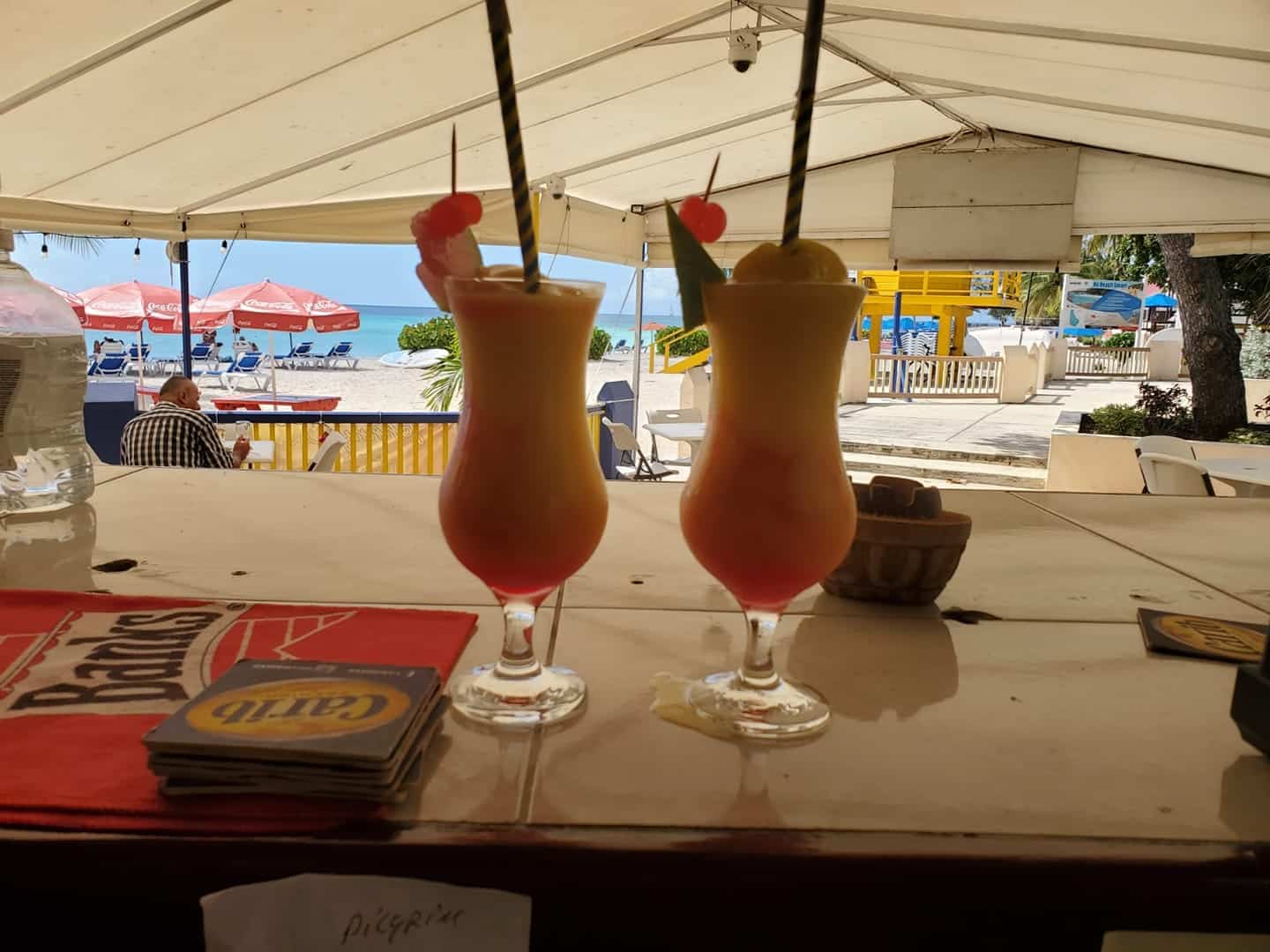
Caribbean ports offer a blend of colonial history, Creole and Caribbean culture, and a laid-back rhythm — think reggae drifting from a beach bar, rum tastings, and markets selling hand-dyed batik. Each island carries the imprint of a different colonial history, such as French, British, Dutch, and Spanish, which gives the region surprising cultural range for its size.
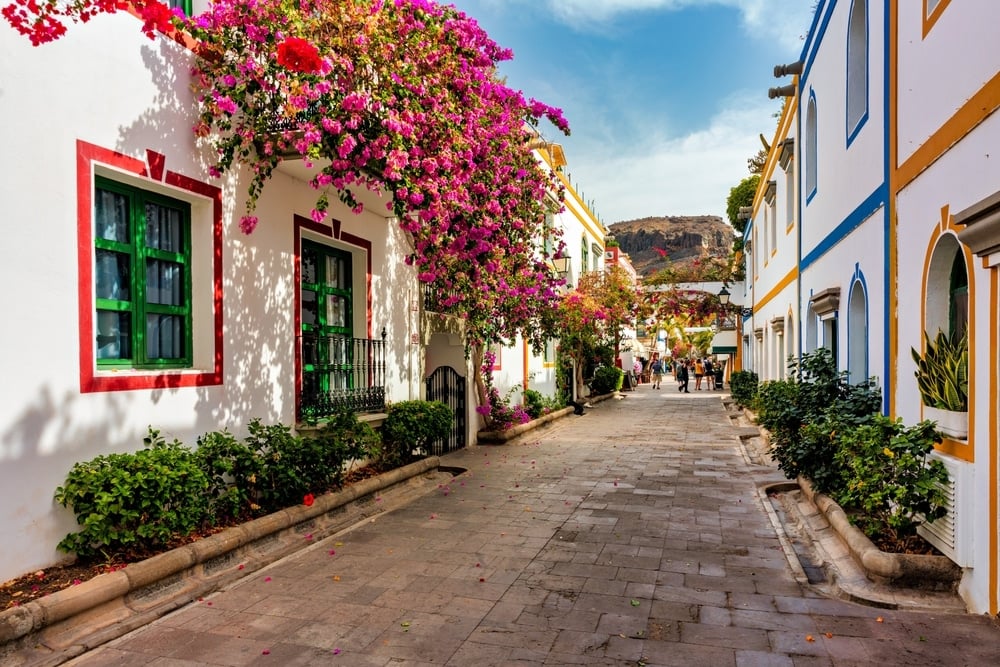
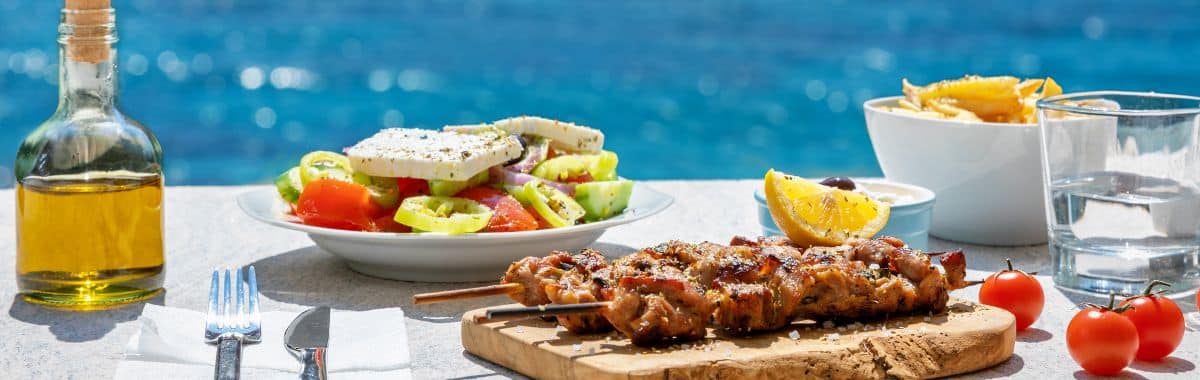
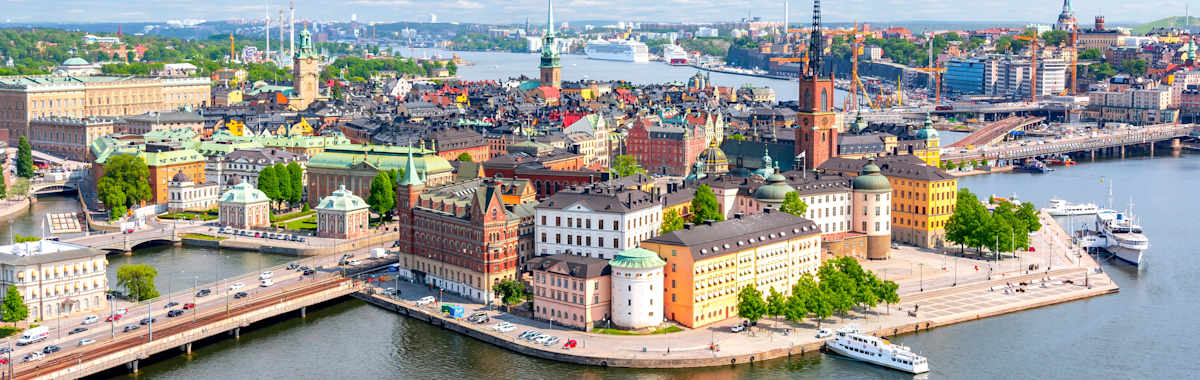
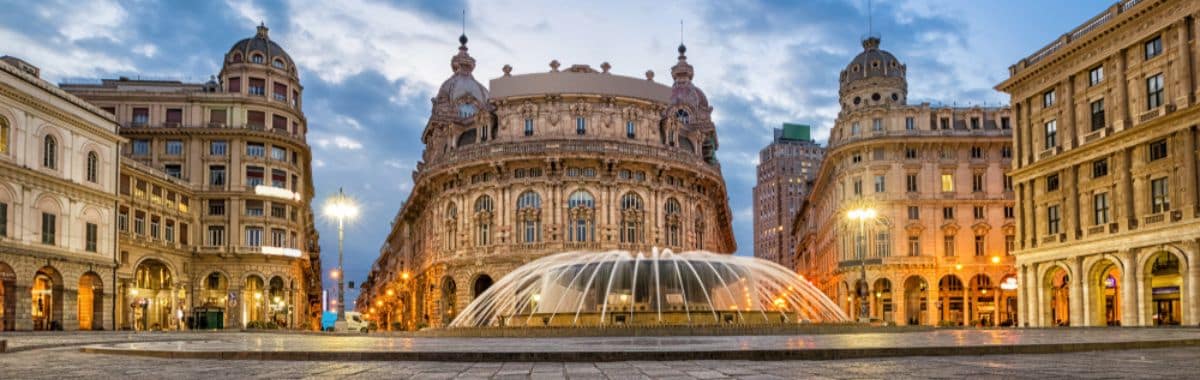
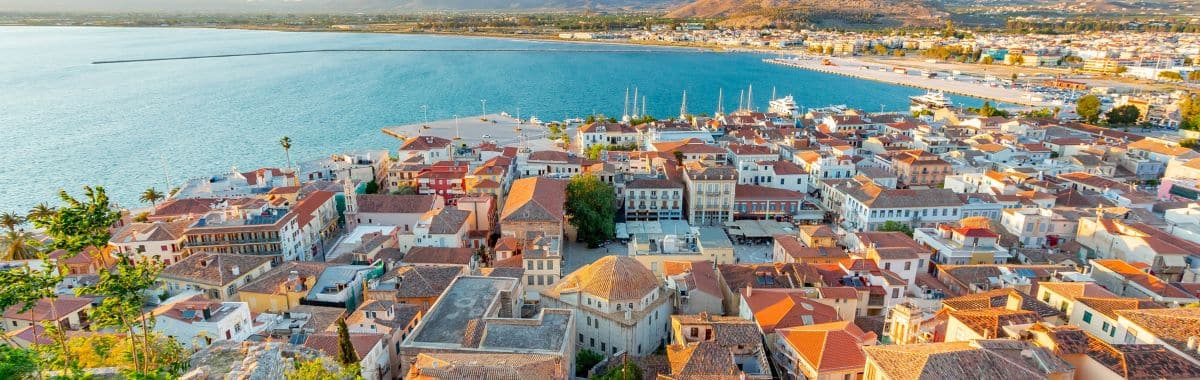
The Canary Islands are Spanish territory, and it shows in the best possible way: excellent tapas, lively plazas, siesta culture, and architecture. There’s a distinctly European sensibility here because this archipelago is, after all, closer to Morocco than to Madrid, yet it feels unmistakably Spanish. For travelers who love European city and café culture but want warm weather and dramatic scenery, it’s a rare combination.
Windstar’s Marinas
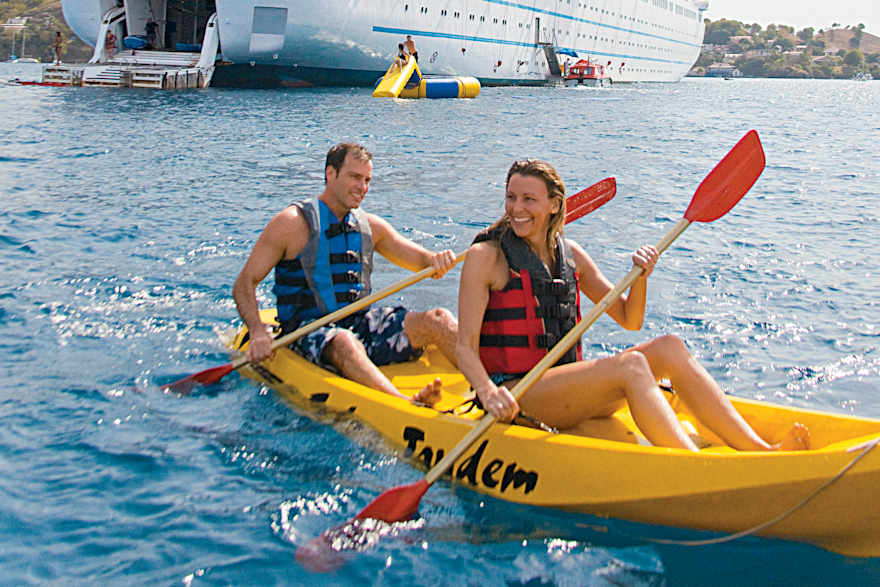
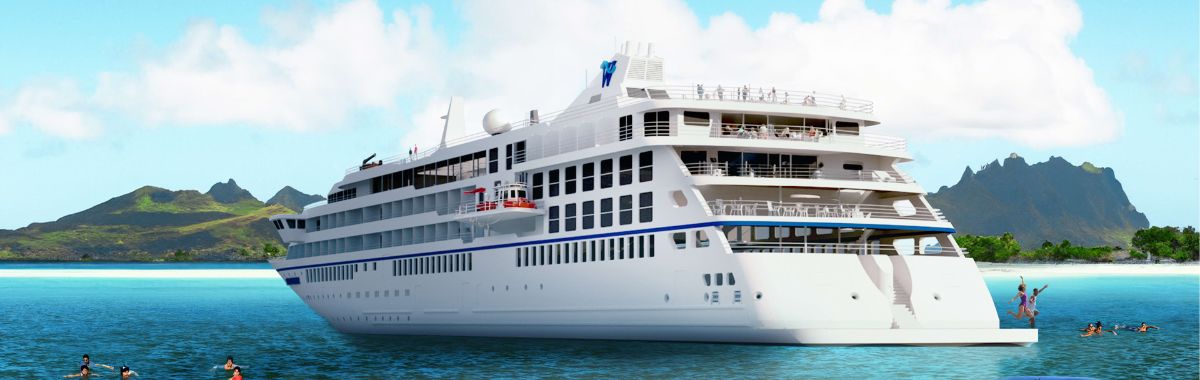
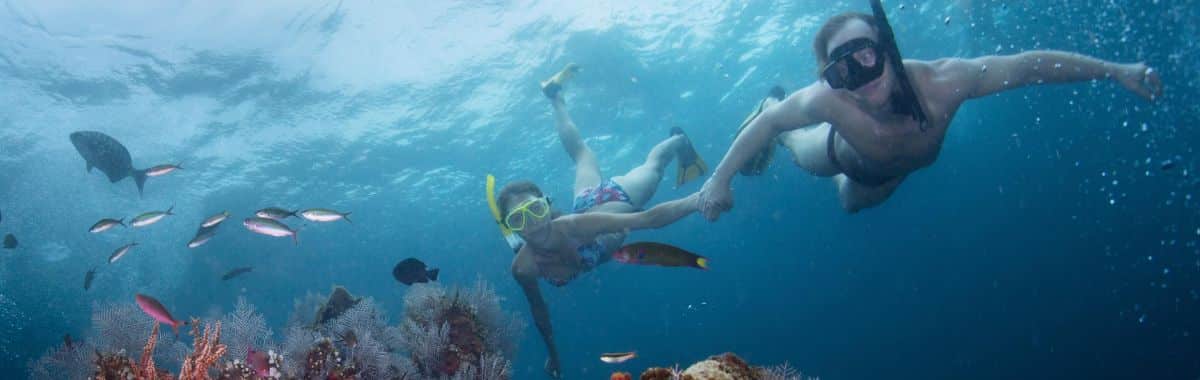
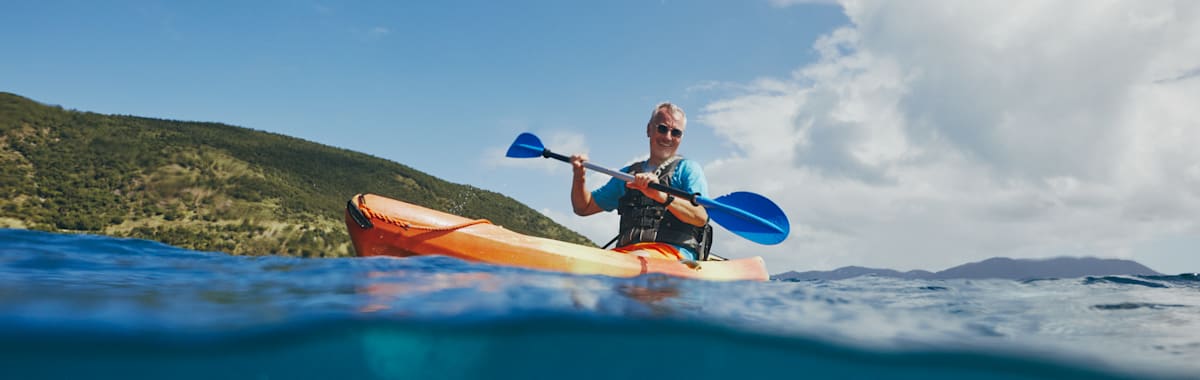
Windstar’s marinas — the fold-out platforms at the stern where guests can swim, kayak, and snorkel right off the ship — depend heavily on calm, sheltered water. A few reasons the Caribbean is by far a stronger match:
- Calmer seas. The Caribbean’s leeward anchorages and protected bays tend to have gentle swell, which is exactly what’s needed to safely deploy the marina platform. The Canary Islands sit in the open Atlantic, where swell and wind chop are more common and can make marina deployment inconsistent or impossible on a given day.
- Warmer water. Caribbean sea temps typically run 78–84°F (26–29°C), entirely comfortable for extended swimming and snorkeling. The Canary Current that gives the islands their mild air temperatures also keeps the water noticeably cooler, often in the high 60s to low 70s°F (18–22°C), which is a different experience for swimmers expecting tropical warmth.
- Better visibility and reef life. Caribbean anchorages often sit near coral reefs and clear, calm water — ideal snorkeling conditions. Canary waters can be beautiful but are generally rockier, with more current and less classic snorkeling scenery.
- Wind. The Canaries are famous in the watersports world for wind. It’s a top windsurfing and kitesurfing destination onshore (and that’s what makes Wind Spirit such an ideal ship for the region) but strong, steady trade winds are actually a liability for a stern marina platform, which needs calm conditions to stay open safely.
So if a traveler’s priority is the marina experience itself — swimming off the ship, easy kayaking, relaxed snorkeling — the Caribbean is going to deliver that far more reliably. The Canary Islands are still a wonderful destination, just a better fit for travelers drawn to dramatic scenery and shore-based culture rather than water-off-the-back-of-the-ship time.
Why Small-Ship Cruising Suits Both
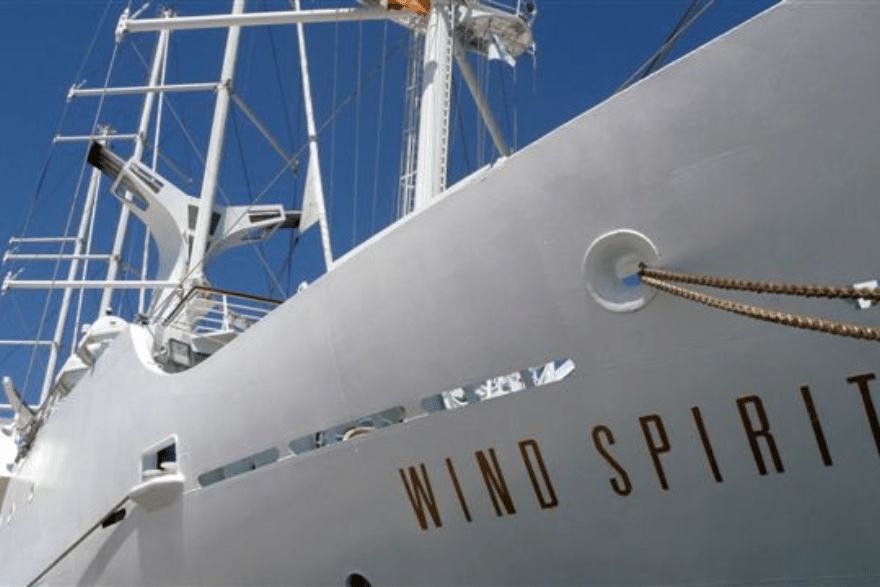
In the Caribbean, Windstar’s small ships and sailing yachts means access to smaller, less-trafficked harbors and anchorages that larger ships simply can’t reach — quieter beaches, more personal shore excursions, and a pace that matches the destination’s own laid-back rhythm.
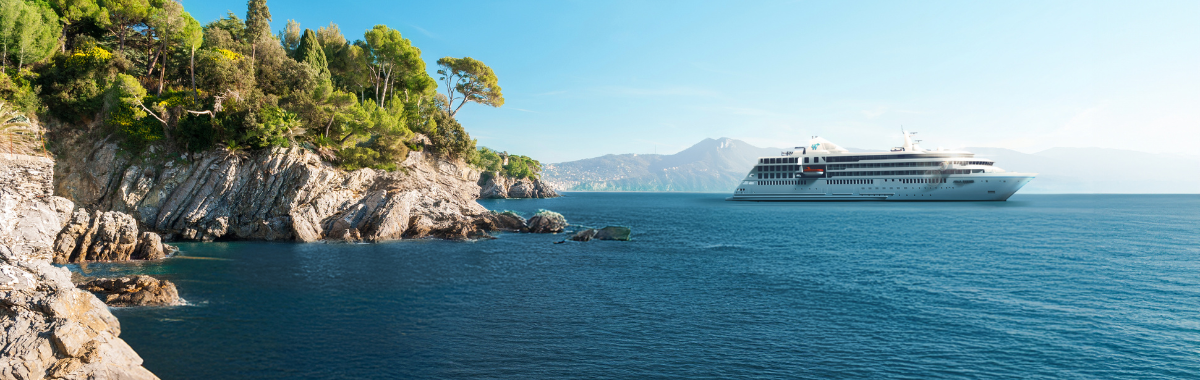
In the Canary Islands, where port towns are often historic and compact, a smaller ship means docking closer to the action instead of shuttling passengers in from a distant industrial terminal. It also means more time actually in port.
If you go: how you’ll cruise the Canary Islands
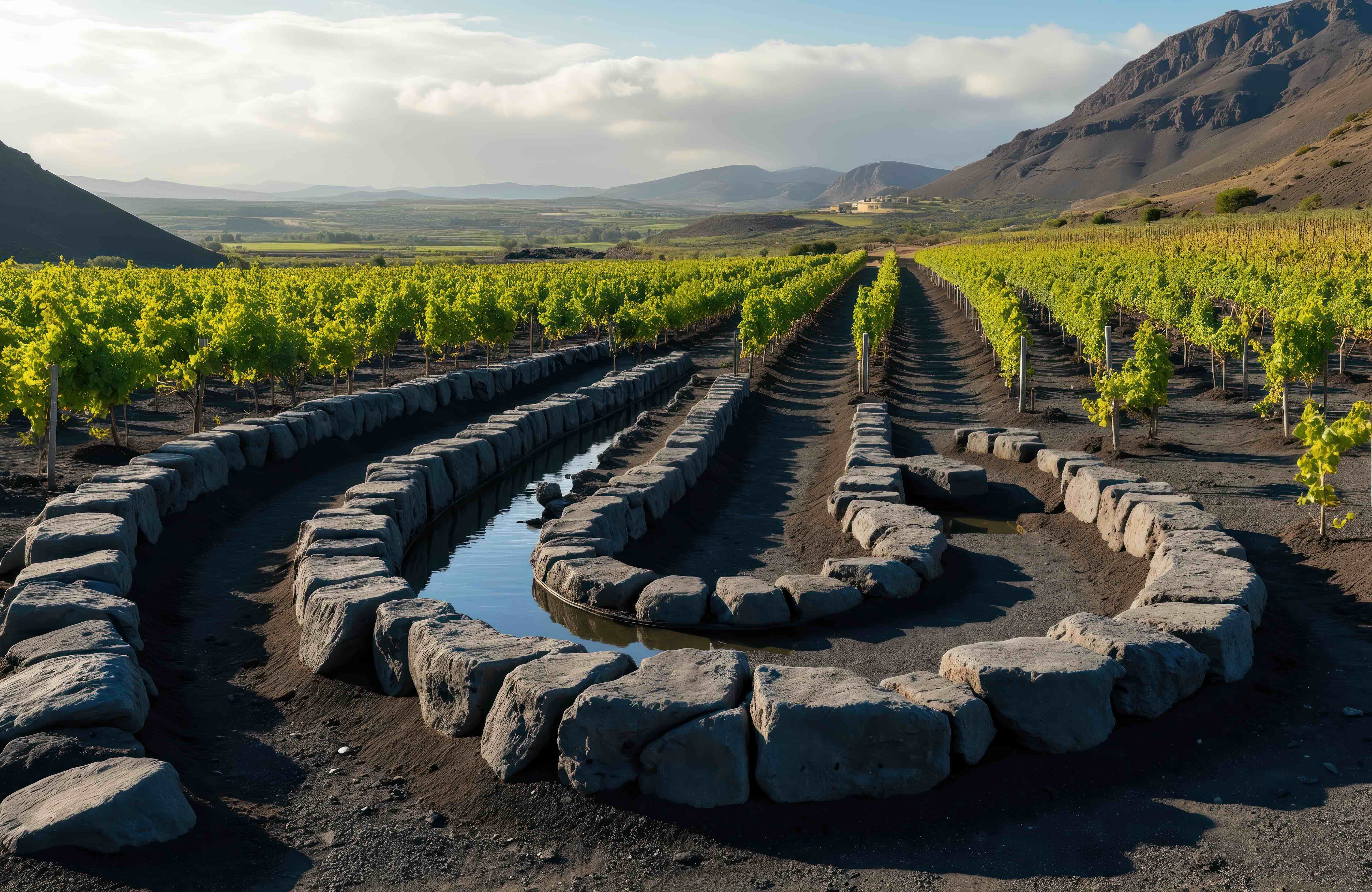
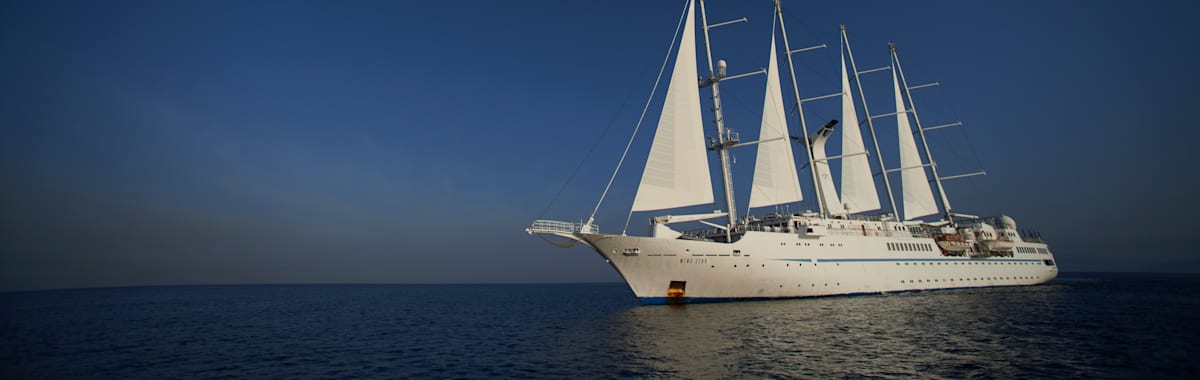
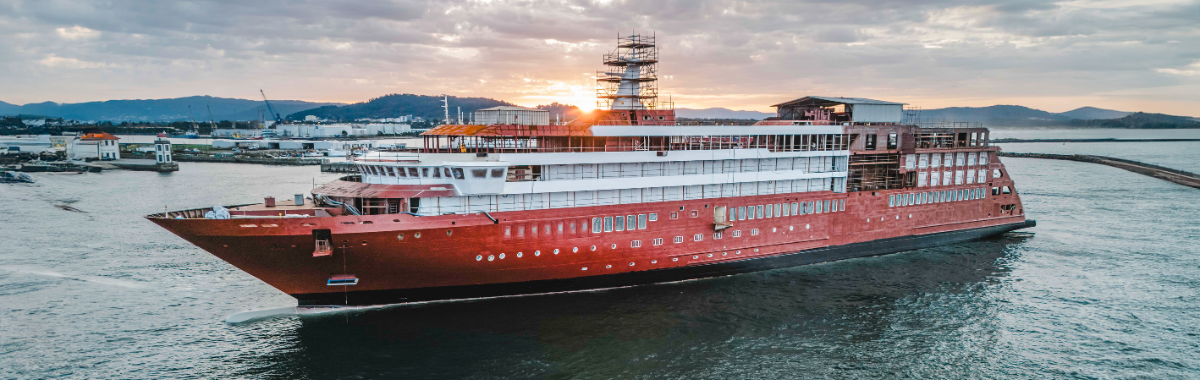
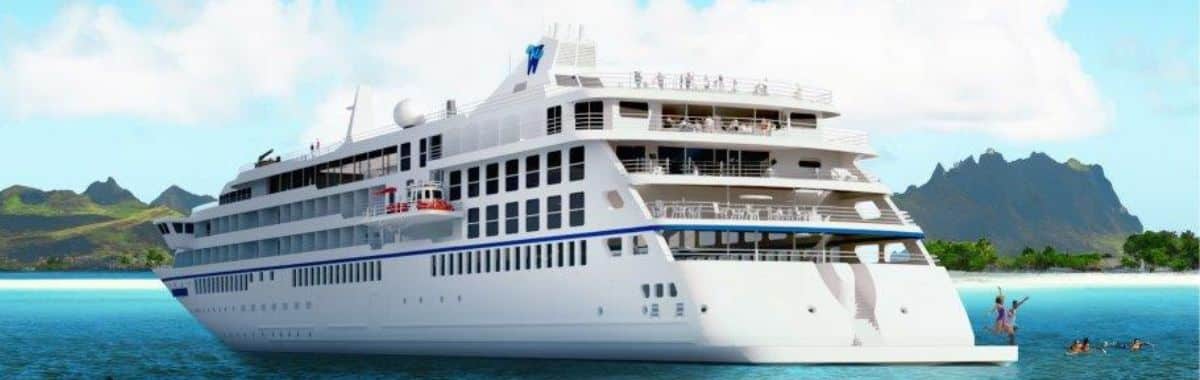
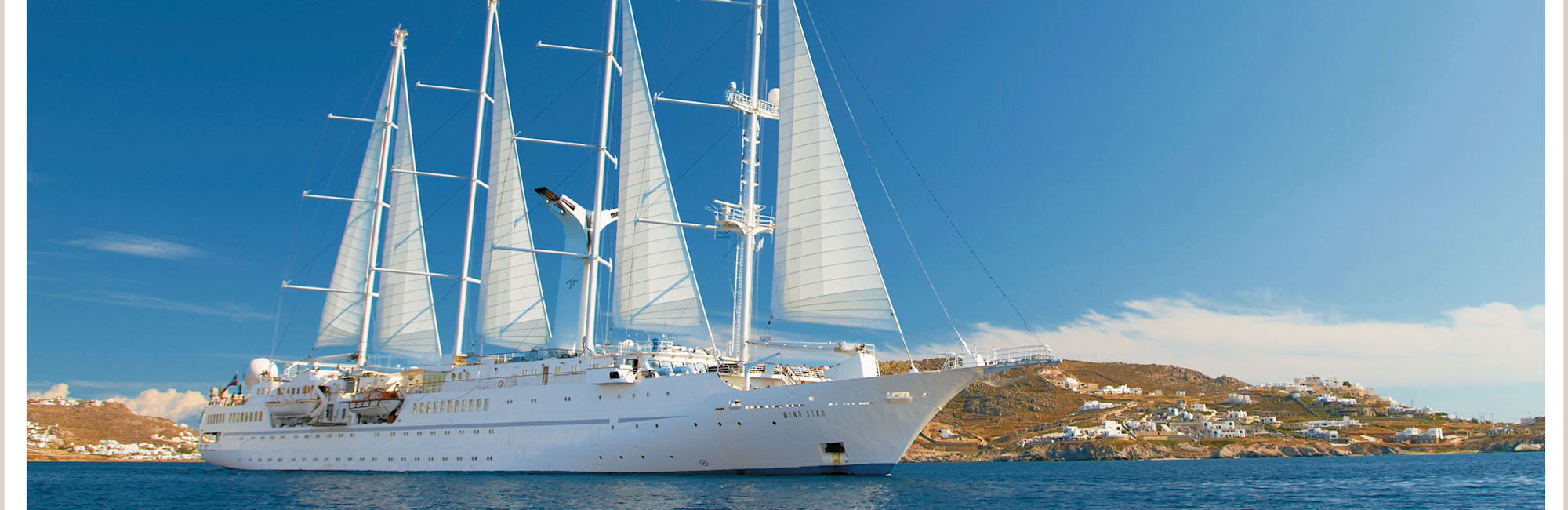
The 148-guest Wind Spirit, a sailing vessel, exclusively cruises in the Canary Islands during winters in 2026 and 2027. The ship features Windstar’s signature restaurants, Amphora, Veranda and Candles, along with the World Spa, a back-of-the-ship marina platform, and an owner’s suite.
Wind Spirit’s traditional Canary Islands itineraries call at 10 ports across 9 islands (including Madeira). Itineraries range from eight to 20 days, and can include Santa Cruz de la Palma, Santa Cruz de Tenerife, Lanzarote, Las Palmas, San Sebastian de la Gomera – and more. The sailing options include:
- 10-day Colorful Canary Islands, between Santa Cruz de Tenerife and Spain’s Cadiz.
- 10-day Hidden Gems of the Canary Islands and Madeira, roundtrip from Santa Cruz de Tenerife
- 20 day Star Collector Morocco, Madeira & the Canary Islands from Santa Cruz de Tenerife to Spain’s Malaga
If you go: how you’ll cruise the Caribbean
For Windstar, the Caribbean season runs between October and March. The 312-passenger yachts Star Legend and Star Pride sail in the Caribbean as does the recently renovated Wind Surf, which carries 346 guests.
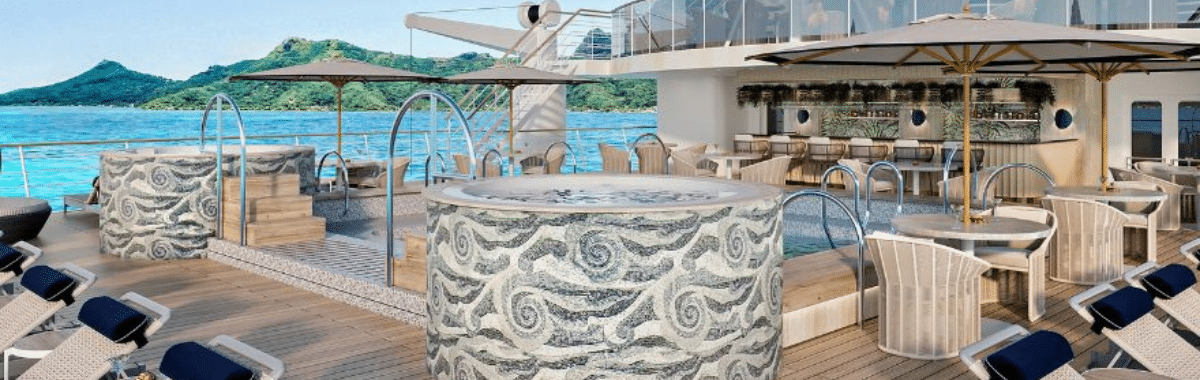
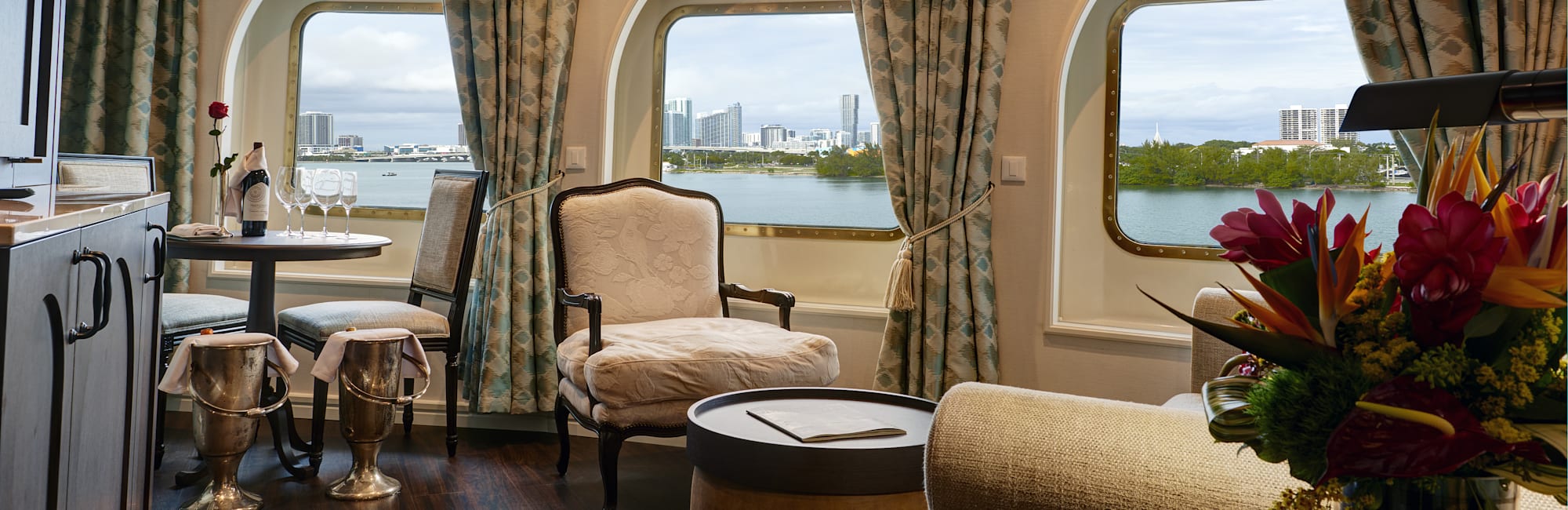
Star Legend and Star Pride showcase restaurants such as Basil + Bamboo, Amphora, Candles and the Star Grill. The World Spa offers spa and beauty treatments ranging from facials to massage. Each vessel features unique accommodations, such as the Broadmoor and Sea Island suites, which pay homage to iconic resorts.
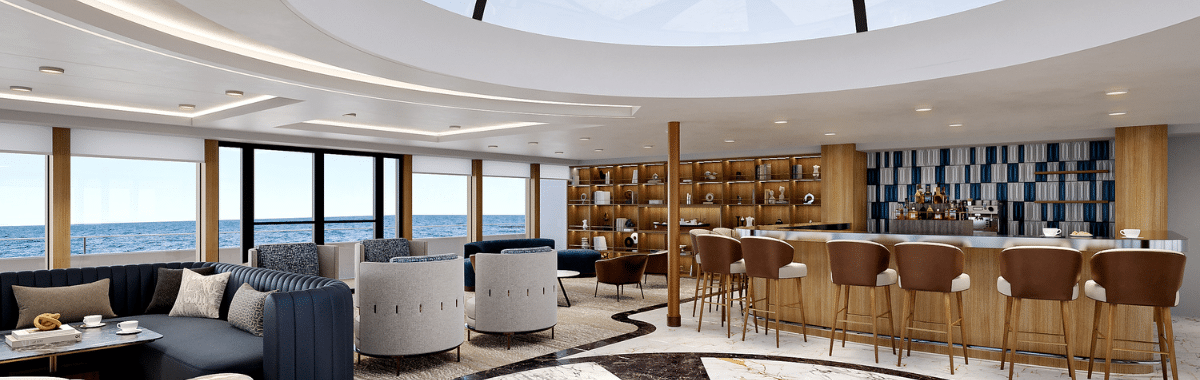
Wind Surf, which carries 342 guests, is Windstar’s signature sailing vessel. The ship, which completes a two-phase refurbishment in December 2026, features redesigned common areas, such as a lounge, pool deck and bar, the Yacht Club Café and a new wine room. In its first phase, its largest accommodations, which include Bridge Suites, an Officer’s Suites and all-new versions of the Broadmoor and Sea Island suites, were recreated. Following December’s drydock, all guest cabins will have received refurbishments.
In the Caribbean, Windstar visits 30 ports of call on 26 islands.
Classic Caribbean itineraries include these:
- Beach, Fun and Sun
- San Juan and the Virgin Islands
- Masterpieces at Sea: Gems of the Leeward Islands
- Windward Waysand Tobago Cays
- Windward Islands Surf and Sunsets
- Star Collector: Caribbean Explorations
- Star Collector: Caribbean Collection: ABC, BVI & the Windwards (Jost van Dyke, Virgin Gorda)
- Star Collector: Atlantic Crossing to the British Virgin Islands(Jost Van Dyke, Virgin Gorda)
- Star Collector: Windward Islands, ABC Islands, and the Virgin Islands (Jost Van Dyke, Virgin Gorda)
The Bottom Line
- Choose the Caribbean for classic beach-forward relaxation, turquoise water, and an easy, sun-soaked pace — ideally in winter or early spring.
- Choose the Canary Islands for dramatic volcanic scenery, distinctive Spanish-European culture, and near-perfect weather. Its cruise season runs October to February.
Have any questions about the Caribbean vs. the Canary Islands? Drop us a note in the comments below.




















We are booked for the Canary Islands during Christmas. Will the ship provide any additional special things? Decorations, music, Spanish wine & food.. ? Will shore excursions be altered or cancelled because of the holidays.
Great questions, Cheryl. We just took our first Windstar Christmas cruise last year (Spain) and the ship is decorated nicely (but not in a crazy way), there are occasional holiday events like sing-a-longs with the crew, and of course a special meal on the day, if I recall (and staff and crew get their own celebration). We called in Palma de Mallorca on Christmas Day and there weren’t any shore excursions that day but the shuttle from the ship to downtown operated and it was all very festive (and nice and pleasantly warm). If you have any other questions, check… Read more »
And another thought: definitely the ports on the Canary Islands will be celebrating the season, and we loved the small Christmas markets and festive food and drink…. –Carolyn