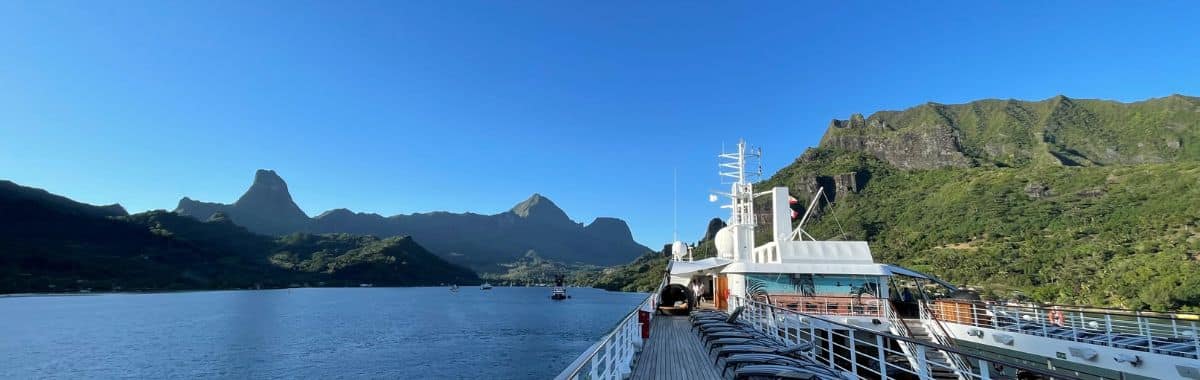
One of the more mysterious islands in the Mediterranean is Corsica, one of France’s 18 regions. Nearby Sardinia, which is part of Italy and often paired with Corsica on summer itineraries such as Treasure Troves of Corsica & Sardinia, is known for its beaches and crystal-clear waters. Corsica, on the other hand, has a very diverse landscape with dramatic mountain ranges, forests and historic cities and towns.
Even though Corsica is part of France, its traditions and cultures are, ironically, more reflective of Italy, Genoa in particular, with which it was once linked.
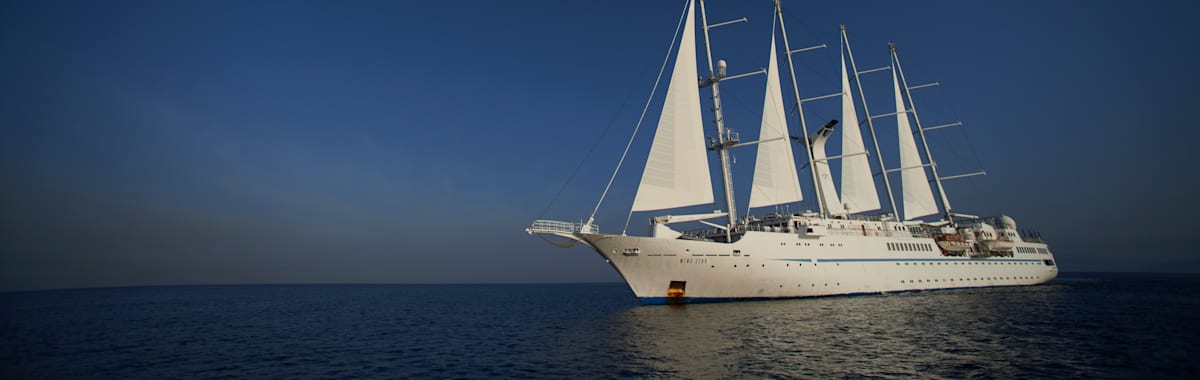
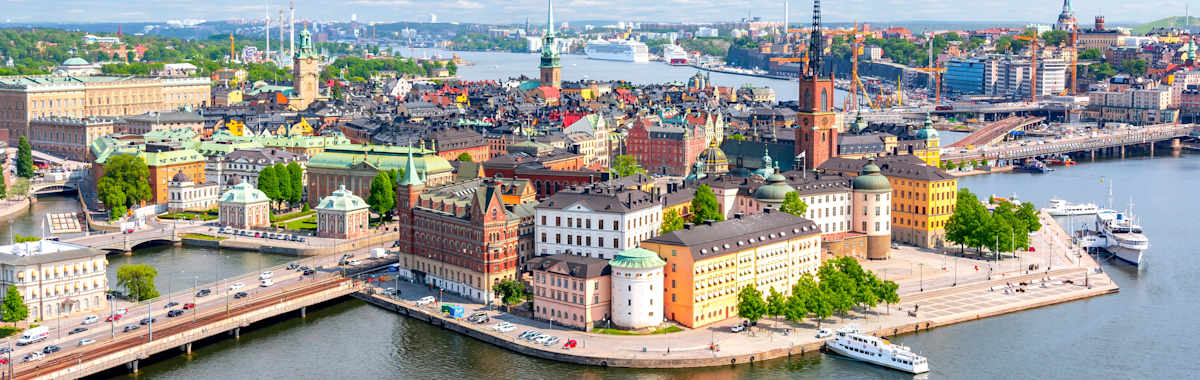
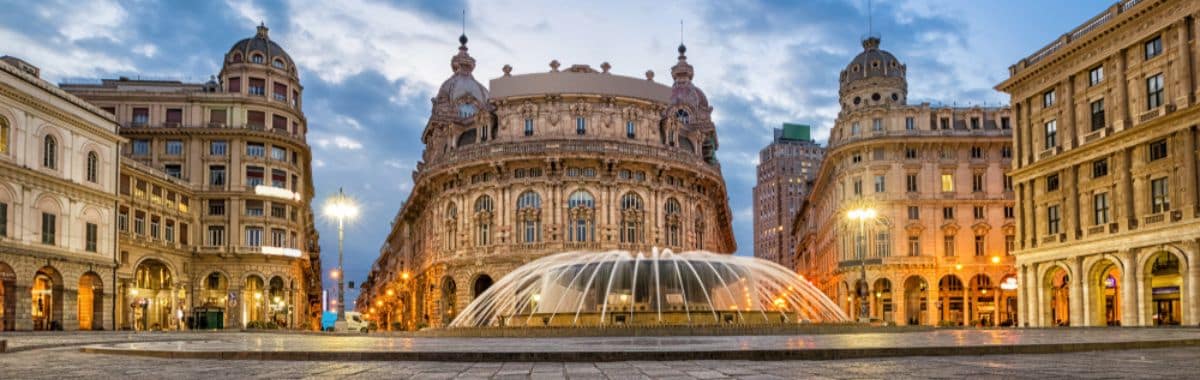
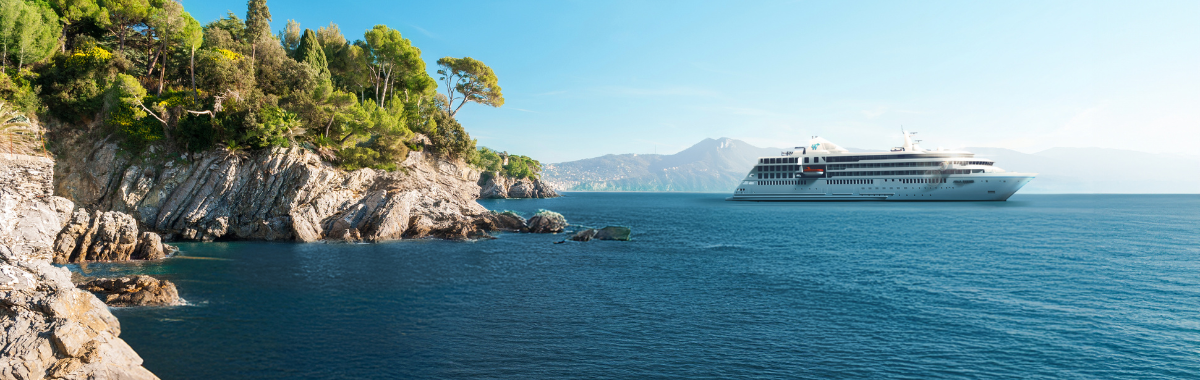
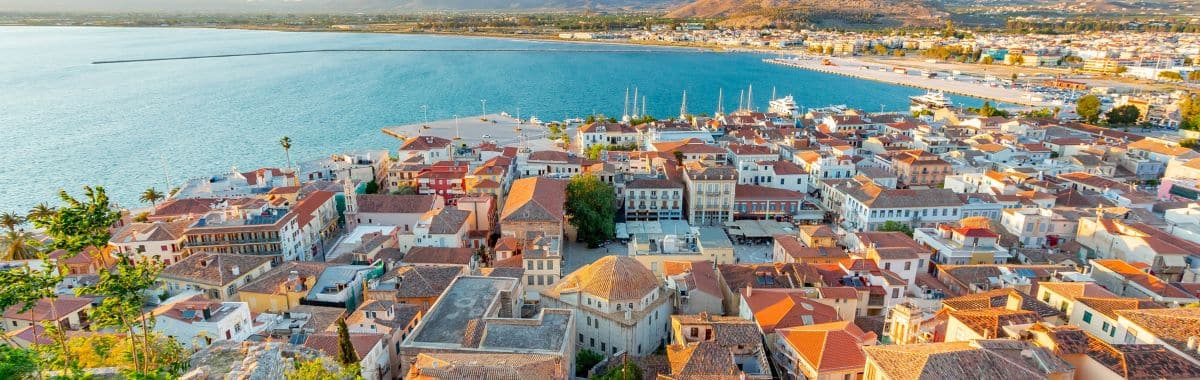
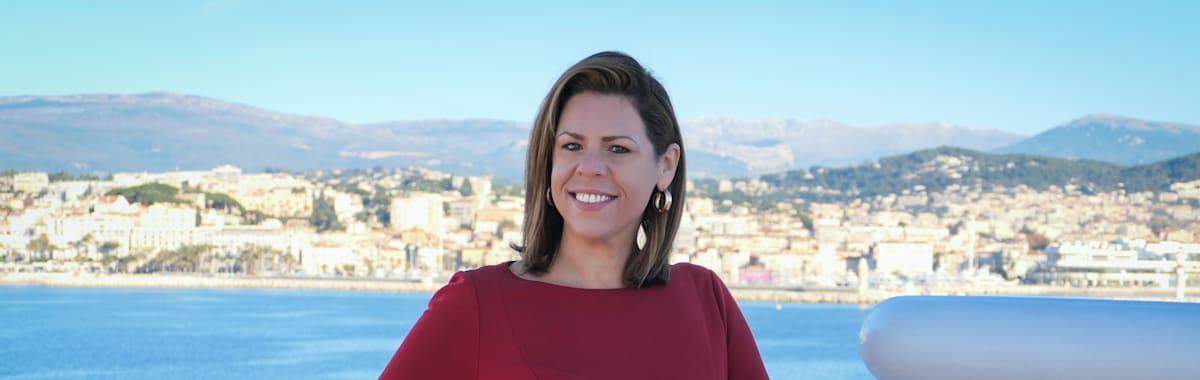
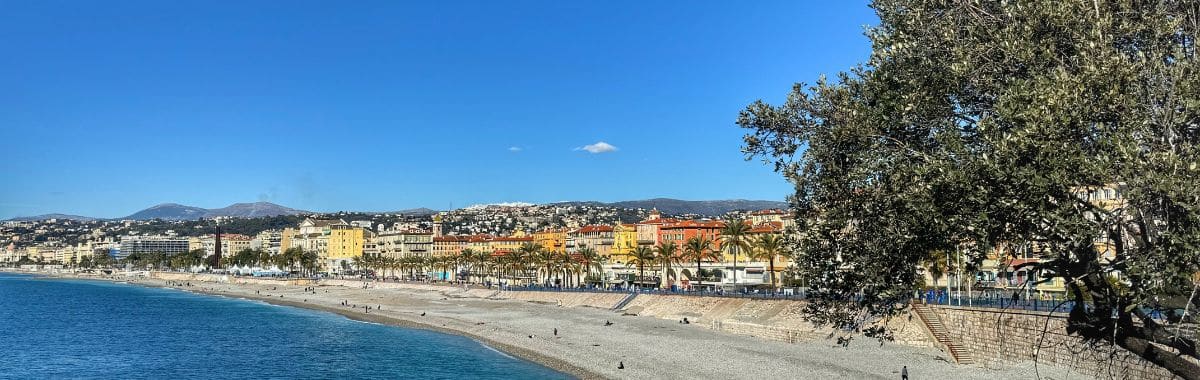
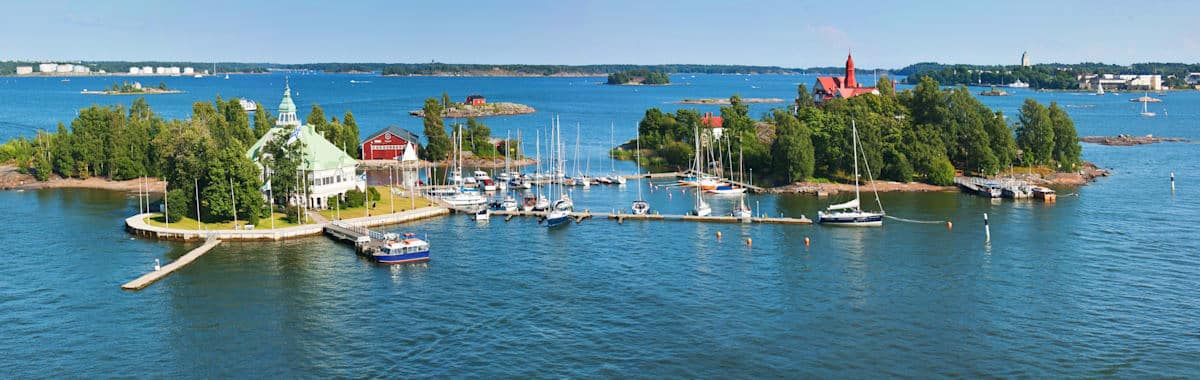
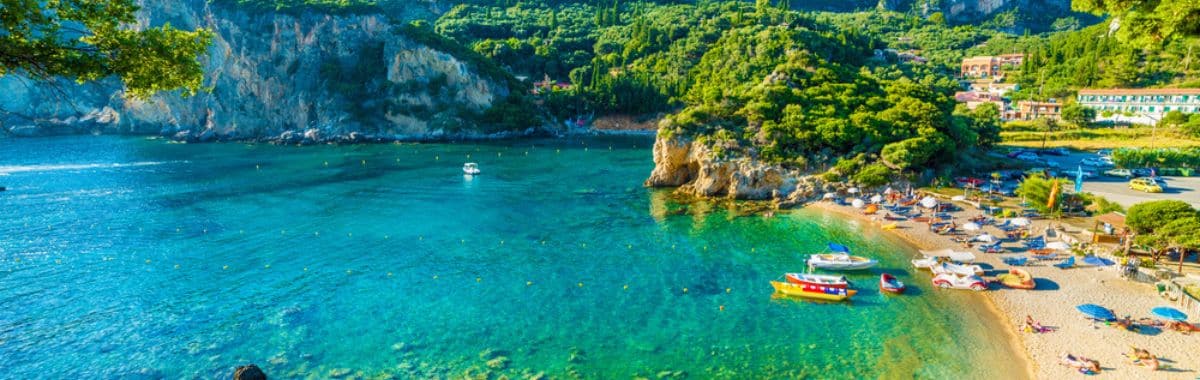
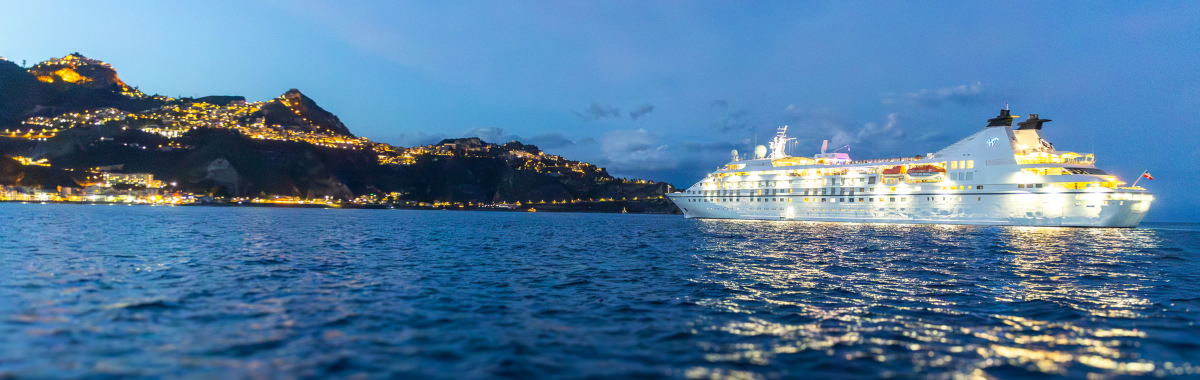
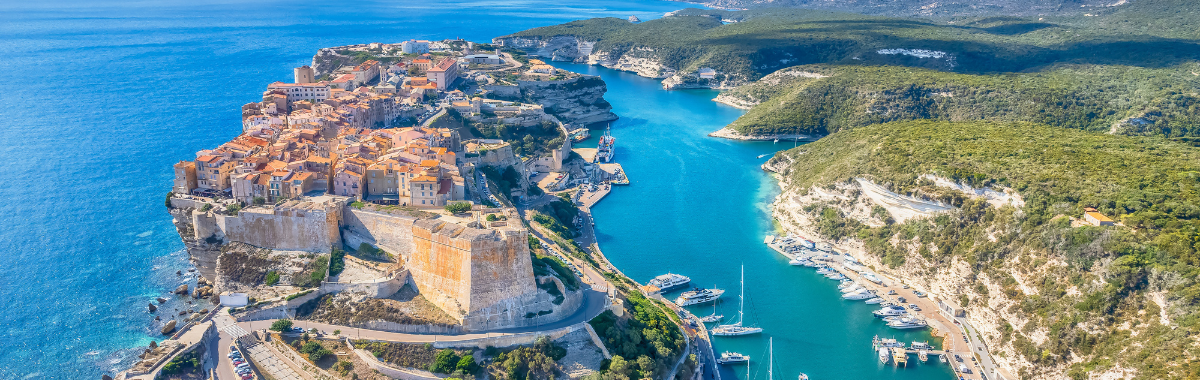
Corsica reveals itself best from the sea (above photo is of Bastia). Approaching the island by cruise ship, the coastline rises in rugged confidence—granite cliffs, pine-covered hills, and towns that seem to grow organically from rock and salt. Over the course of port calls at Ajaccio, Bastia, and Bonifacio, you’ll understand why Corsica is not just a destination but a personality: fiercely independent, quietly proud, and endlessly beautiful.
Visiting Ajaccio, Bastia, and Bonifacio on a single cruise reveals the remarkable diversity of these places. In just a few days, the island shifts from polished capital to working port to cliffside marvel, each stop adding depth to the story. What ties them together is a shared sense of identity—Corsica as something distinct, shaped by geography, history, and a fierce attachment to place.
Where Is Corsica and Why Visit by Luxury Cruise?
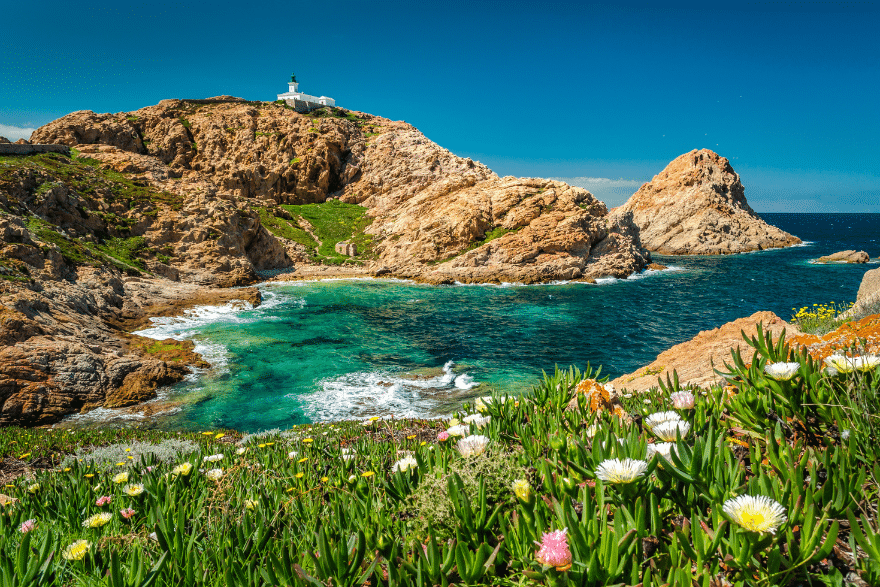
Corsica is a French island located southeast of mainland France and west of Italy. It’s famous for:
-
Crystal-clear waters and secluded beaches
-
Dramatic limestone cliffs
-
Michelin-quality dining
-
Exclusive marinas and yacht culture
-
Rich history, including being the birthplace of Napoléon Bonaparte
Ajaccio’s the big city for art, culture and Napoleon Bonaparte
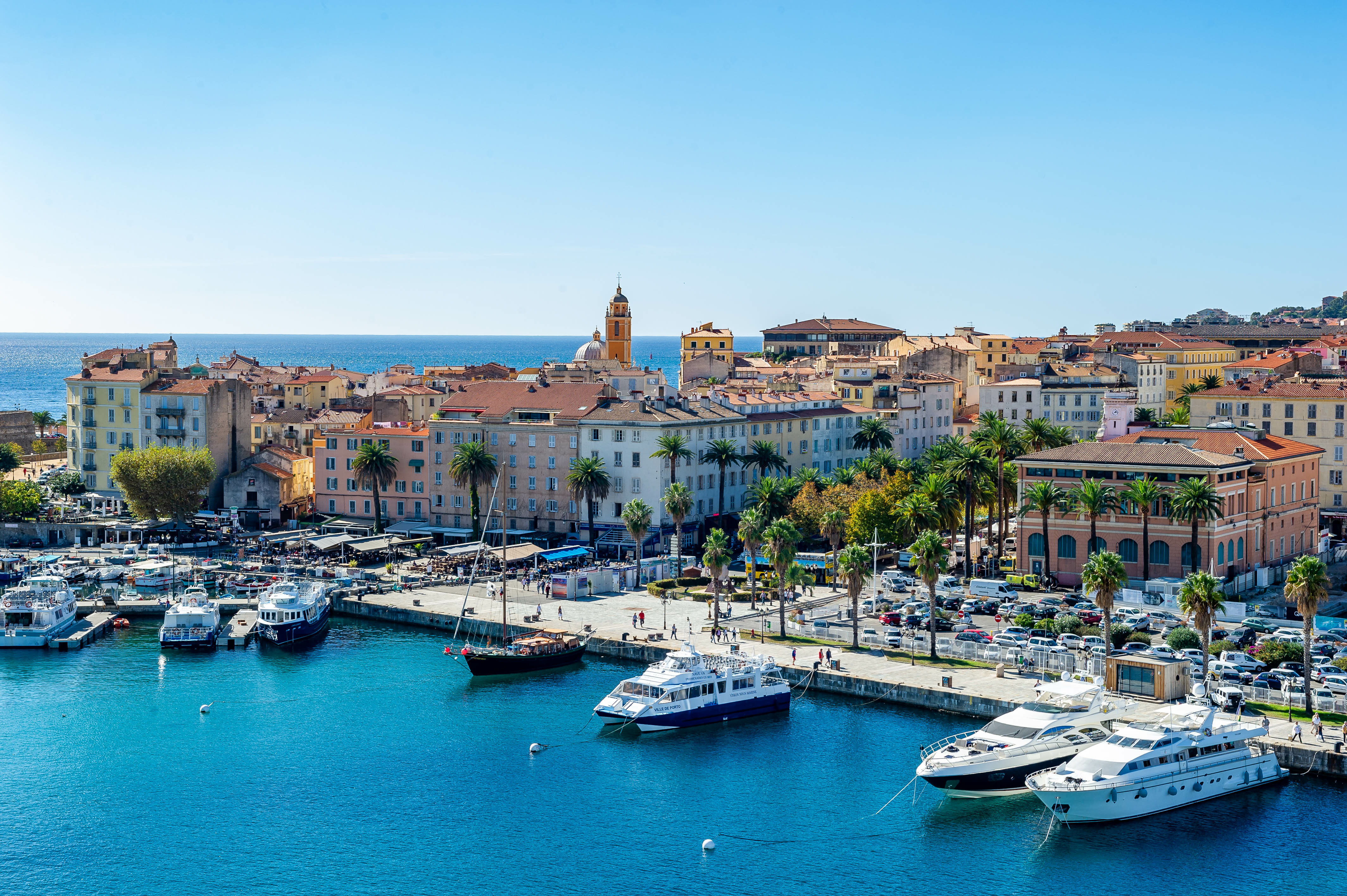
Ajaccio, Corsica’s capital and the birthplace of Napoléon Bonaparte, the French emperor, has a relaxed Mediterranean ease. The port opens directly onto palm-lined boulevards and pastel buildings that glow softly in the morning light. It’s a city that feels lived-in rather than staged, where locals linger over espresso and conversation feels as essential as breathing.
In Town:
As you stroll around the city you’ll notice numerous monuments to Bonaparte and of course the Maison Bonaparte, his childhood home, is an important museum. The Palais Fesch Museum of Fine Arts and the Imperial Chapel is another important museum, showcasing important collections of Italian Masters (the High Renaissance era), Italian primitive paintings (14th and 15th centuries) and Corsican painters.
The Place De Gaulle, also known as Place du Diamont, is a festive, café-lined square with a carousel and room for kids to skate and bicycle. And for shopping and café-hopping, head for the Rue Cardinal Fesch and Cours Napoléon. And finally, don’t miss out on the Ajaccio Market, where you can dive into ingredients grown and made on the island; it’s open daily (on weekends, an extra market, selling costume jewelry and clothing, sets up alongside).
Nature and landscapes:
The Prunelli Gorges Loop is a great daytrip from Ajaccio that takes you to steep valleys ringing the Prunelli Lake, scenic villages, river gorges, forests and the stunning Lake Tolla.
Why should you visit the working port city of Bastia?
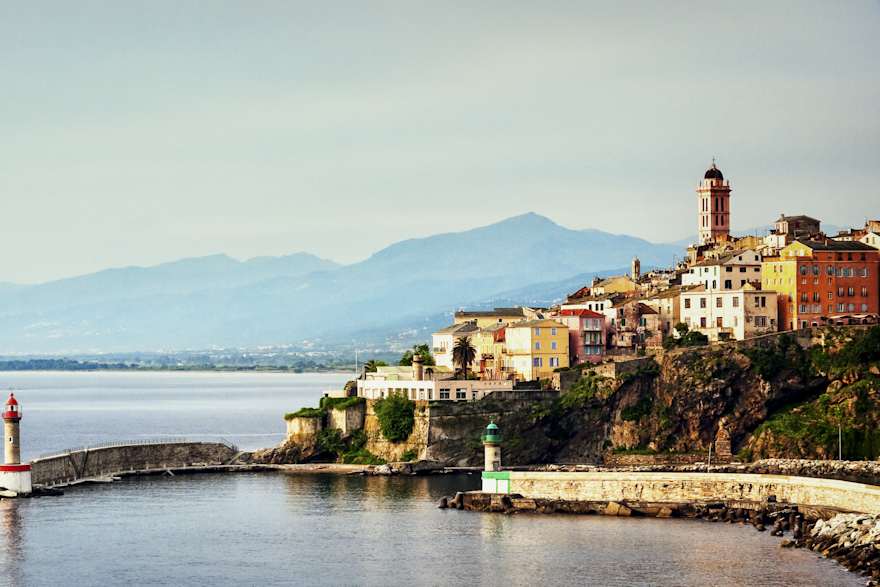
Bastia, which lies on the north part of the island, feels different from Ajaccio. It’s less polished, more lived-in — a working port city with faded pastel buildings, narrow streets, and a strong Italian feel. If Ajaccio is about Napoleon and seaside promenades, Bastia is about atmosphere.
In town:
Terra Veccia, the old port, is the heart of Bastia, with its small marina of fishing boats and yachts, local bakeries and small bars. Also historic is Terra Nova, the citadel, built by the Genoese in the 15th century; climb up and admire the sea vistas. St. Mary’s Cathedral is worth a visit, too, when you’re there. Back in the heart of Bastia is Place Saint-Nicolas, the city’s social hub, with outdoor cafes and great people-watching. If you want to sample local foods, try wild boar, brocciu cheese, and Muscat from Cap Corse.
Nature and landscapes:
Take a daytrip to Cap Corse, along Cliff Road, a ribbon of coast at 3,280 feet, with a beautiful view of the Tuscan archipelago. Other aspects of Cap Corse include the colorful fishing village of Erbalunga, the sheer cliff of Nonza, with its amazing landscapes.
Craggy, clifftop Bonifacio
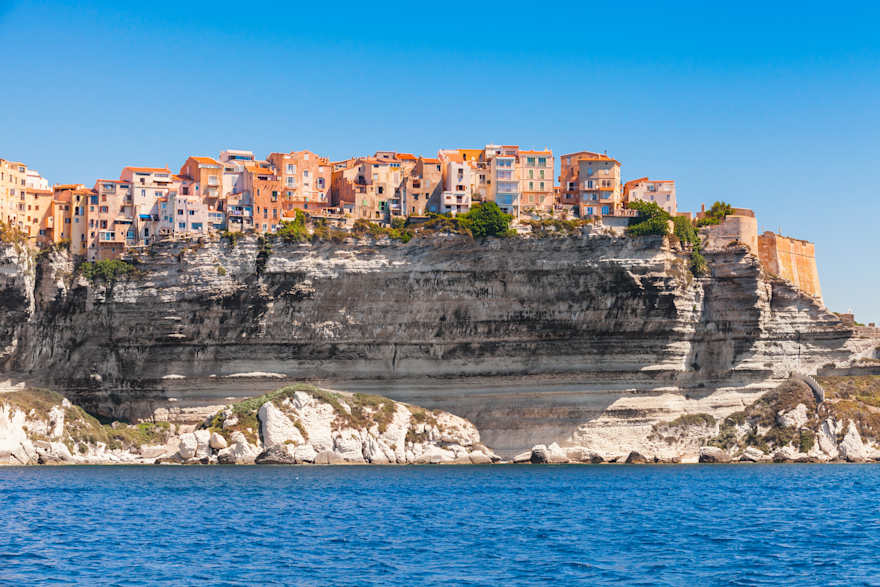
Considered a jewel on the coast of southern Corsica, Bonifacio overlooks the Mediterranean Sea. It’s best known for its dramatic cliffs and its old citadel – and it’s just 12 kilometers from Sardinia, across the Strait of Bonifacio.
In town:
Visit the atmospheric Bosco quarter, home to the historic St. Francis Convent. And yet the big draw is the marine cemetery, where white tombs and chapels are arranged like a miniature village beside cliffs that overlook the Mediterranean.
St. Dominique Church, built in Corsican Gothic style in about 1270 is a magnet for exploring Bonifacio’s narrow and winding alleys. For culinary enthusiasts, sample Corsican tasting at Galerie des Ducs, which serves local specialties and wines amidst panoramic views of the Bonifacio cliffs. Bonifacio Citadel (La Haute Ville) is an historic, medieval fortress on top of limestone cliffs. There are great views over the harbor and the Strait of Bonifacio.
The legend of King Aragon’s Stairway (Escalier du Roi d’Aragon), 187 steps carved into a cliff that leads down to the sea, is that it was built in just one night by the King of Aragon’s troops. Climb carefully.
Save your appetite for the local seafood restaurants in Bonifacio’s old harbor (try the lobster).
Nature and landscapes:
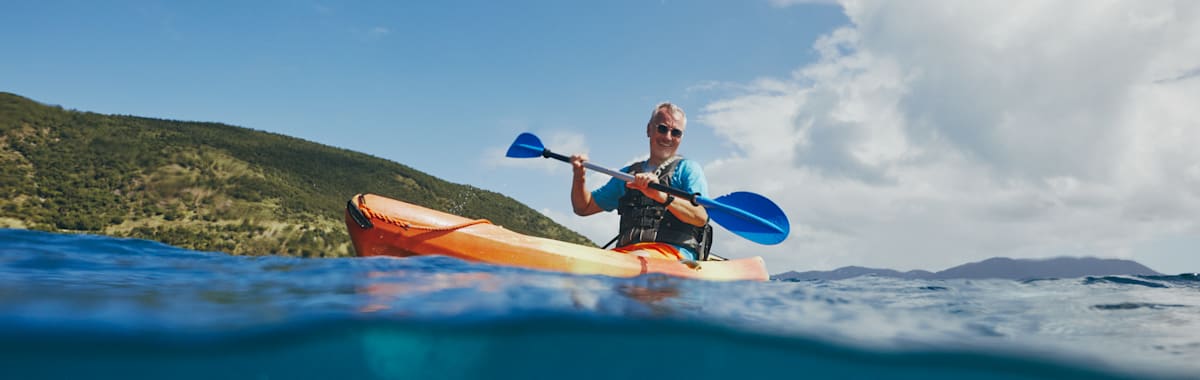
On a guided kayak tour in Bonifacio’s Nature Reserve you’ll observe seabirds, pass the beautiful Petit and Grand Spérone beaches and glide into a hidden lovers’ cave. In the warm turquoise waters ringed by impressive limestone cliffs, you’ll learn about the region’s wildlife, flora, geology and history, along with a few breaks for swimming.
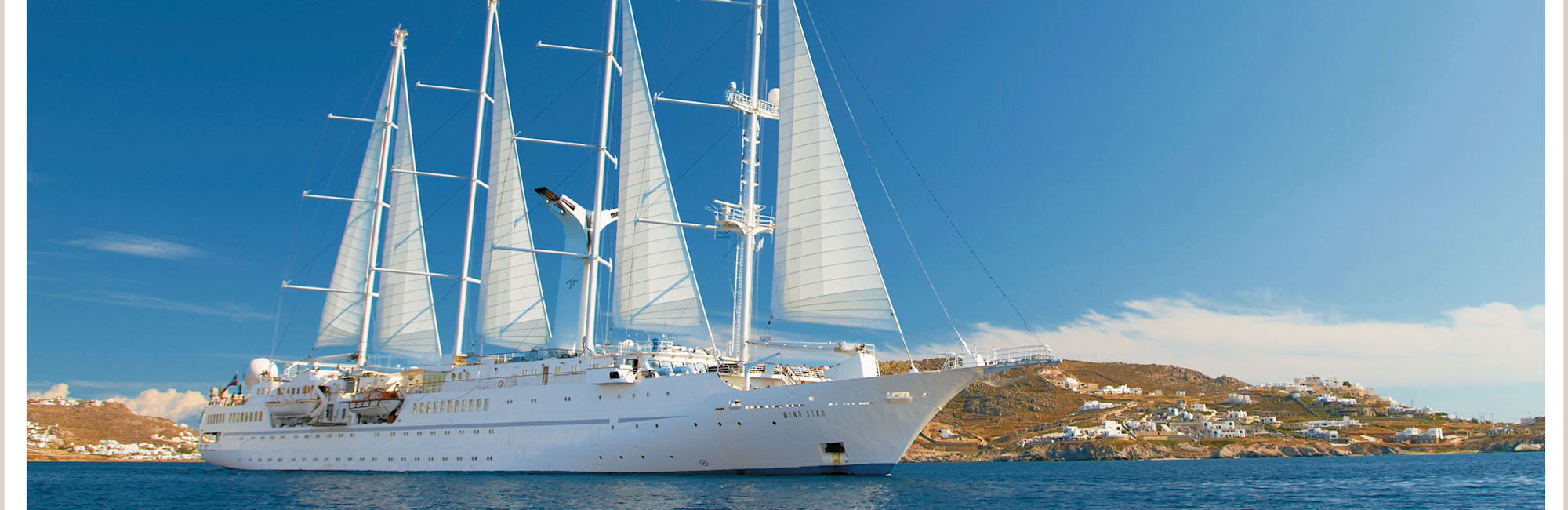
Curious to experience Corsica (and Sardinia)? Here are some Windstar options:
- 7-day Treasure Troves of Corsica and Sardinia
- 6-day Treasure Troves of Corsica and Sardinia
- 14-day Star Collector: Captivating Corsica and Sardinia
- 13-day Star Collector: Corsica, Sardinia and Amalfi
- 16-day Star Collector: Islands of a Mediterranean Summer — Sicily, Sardinia and Corsica