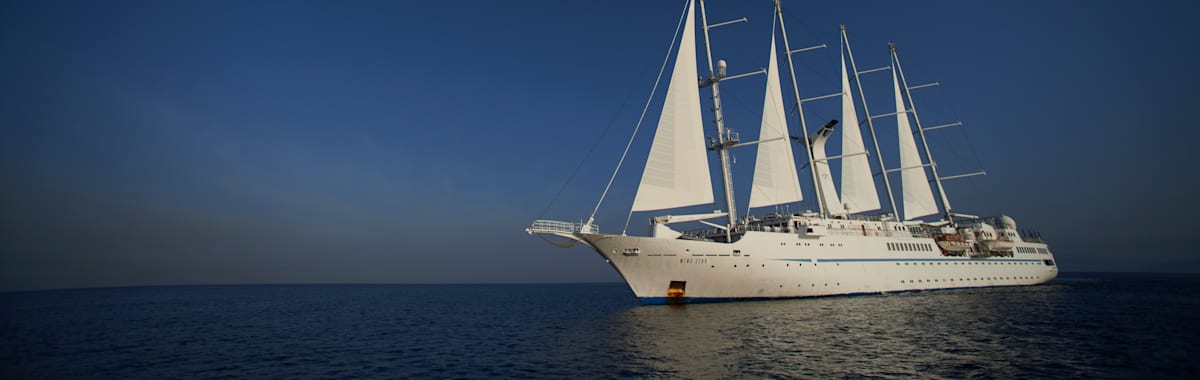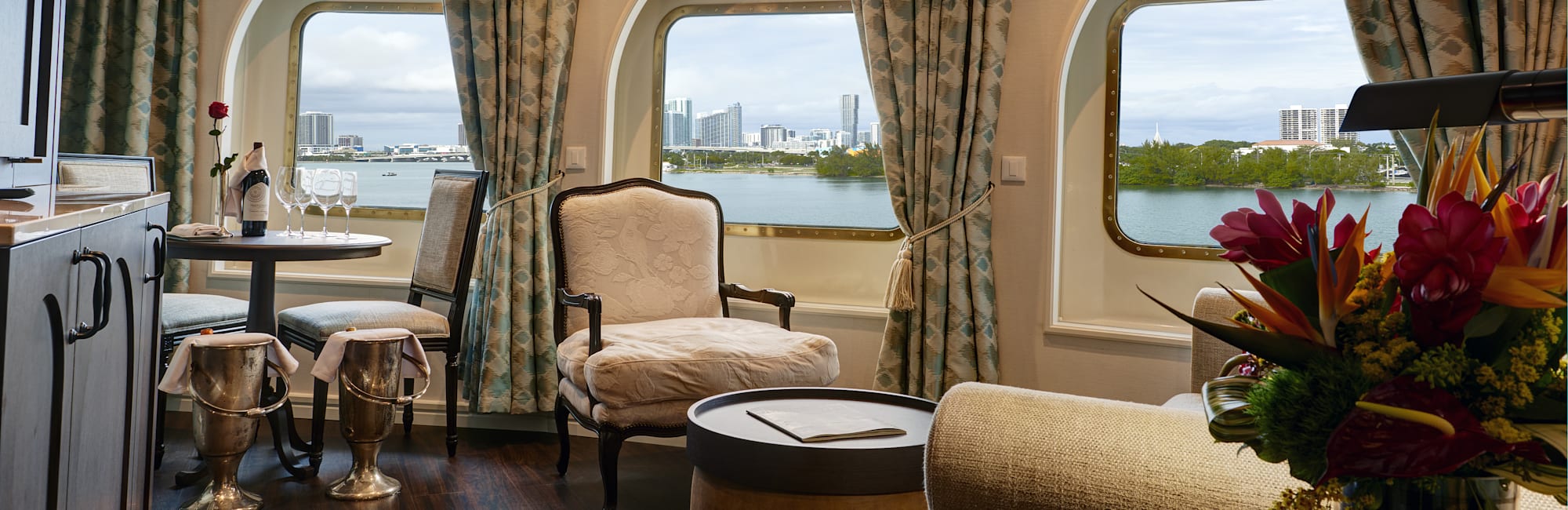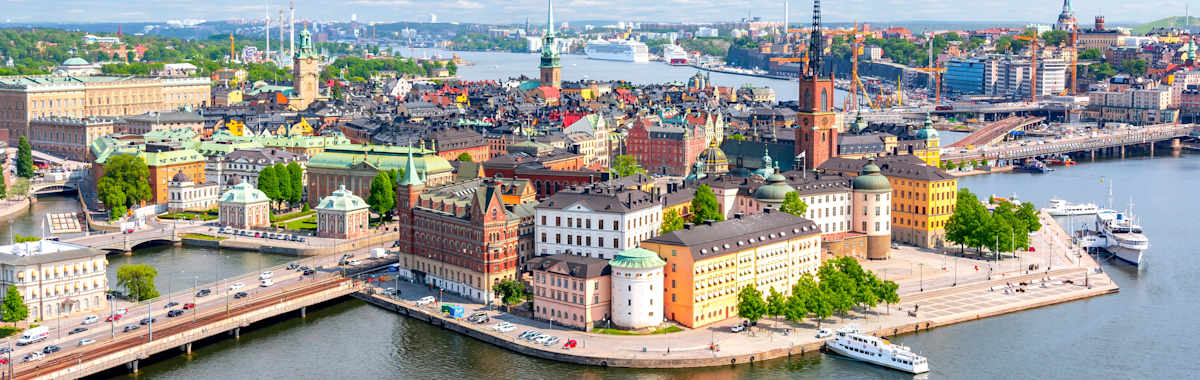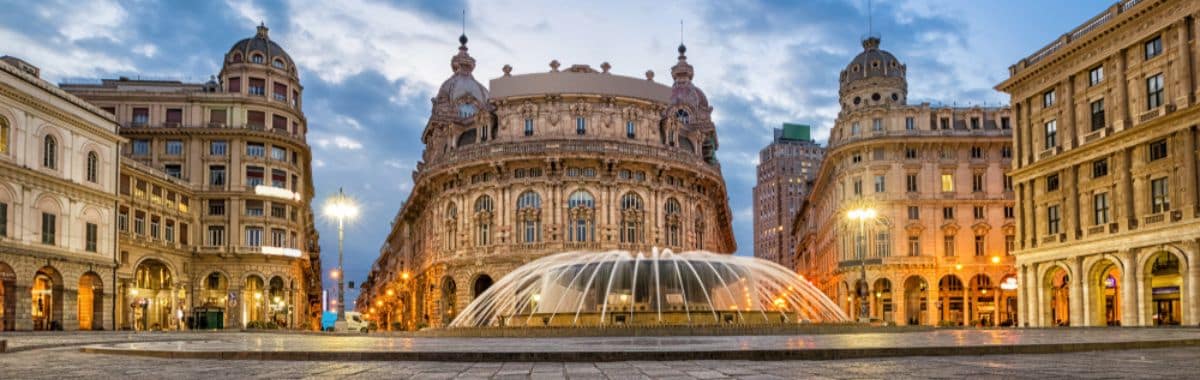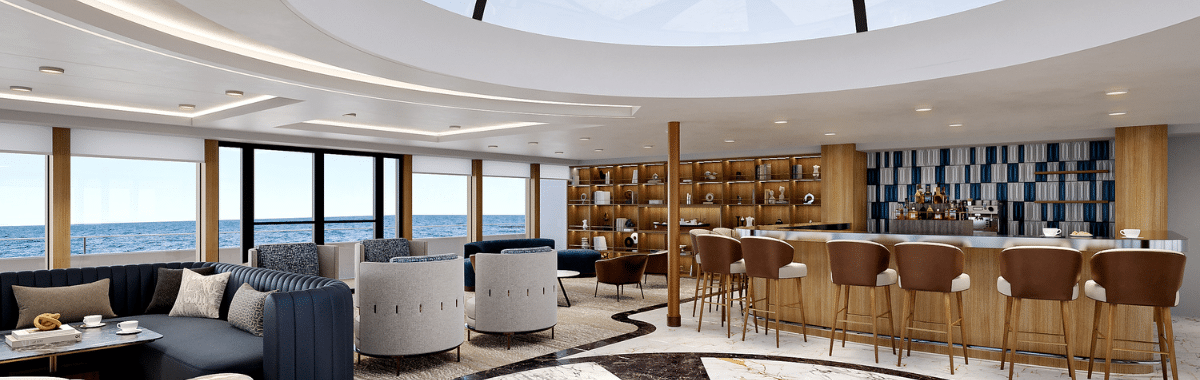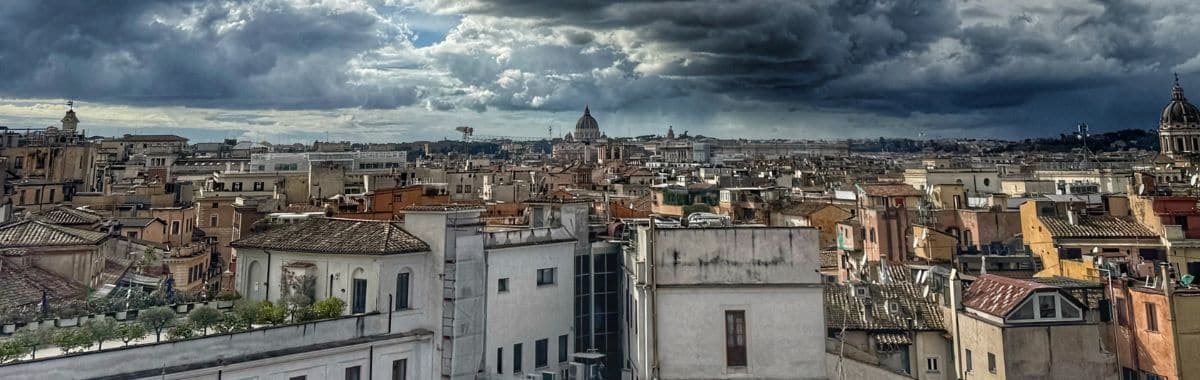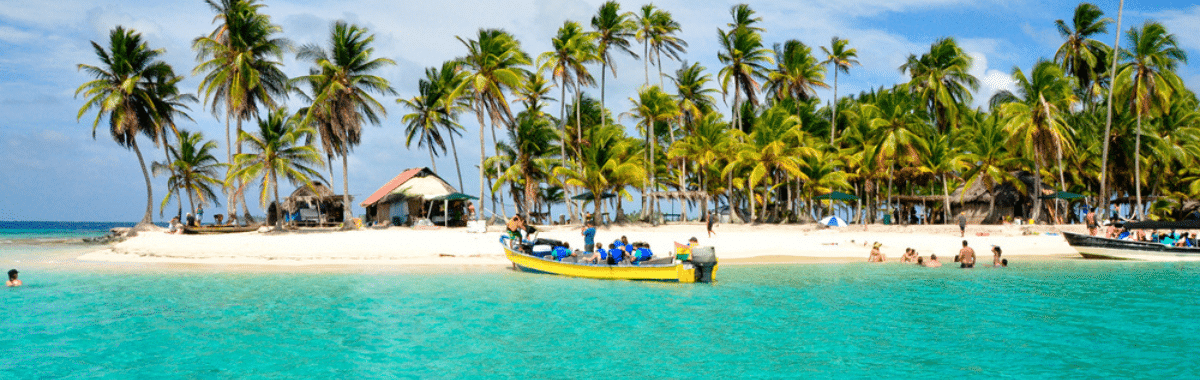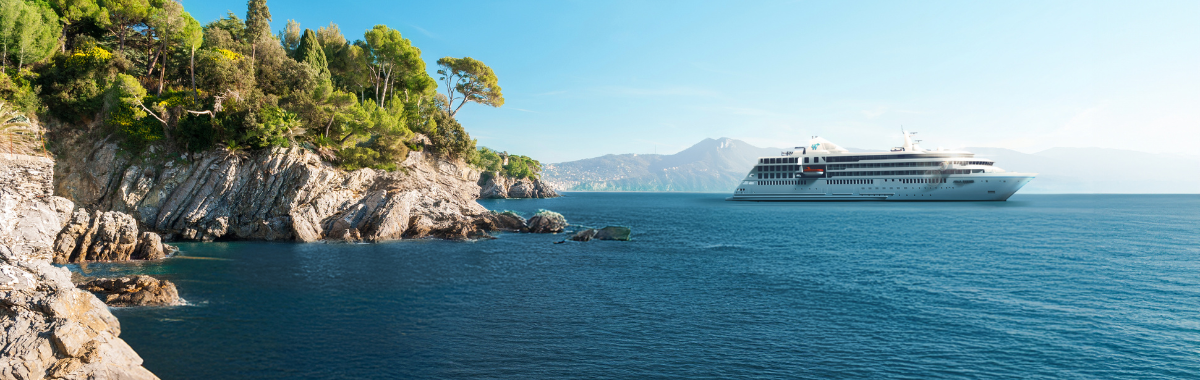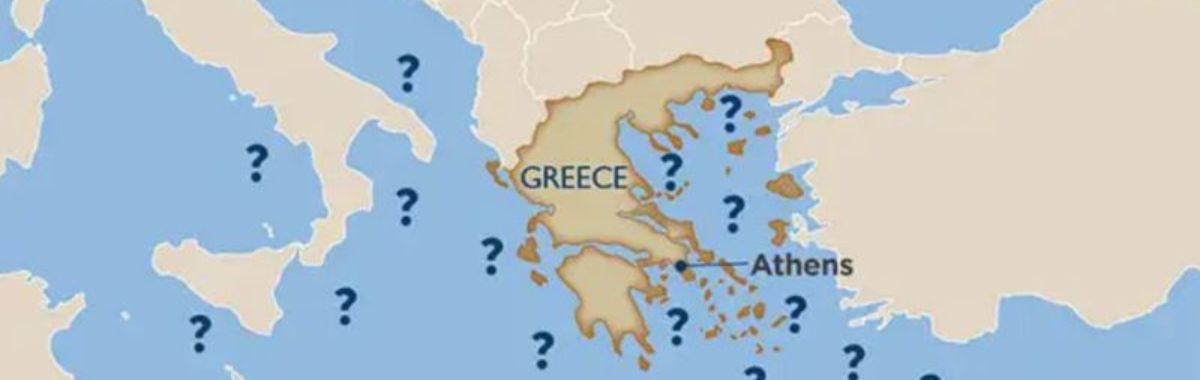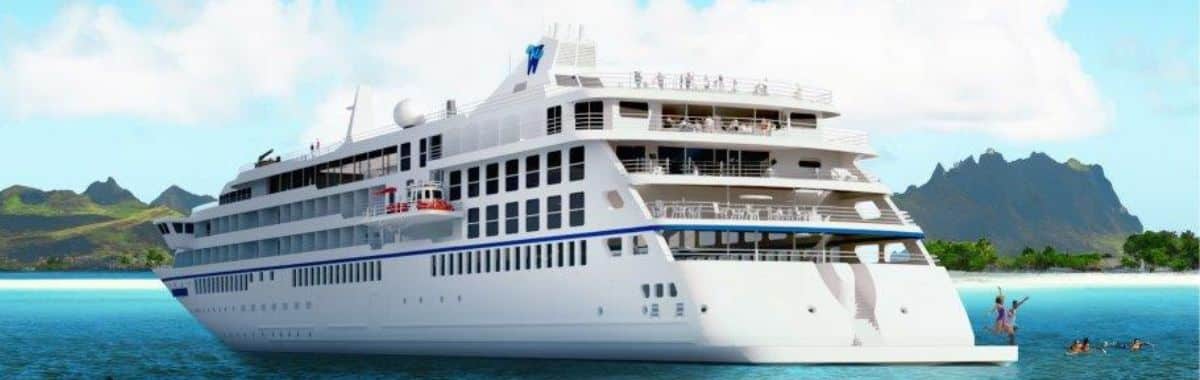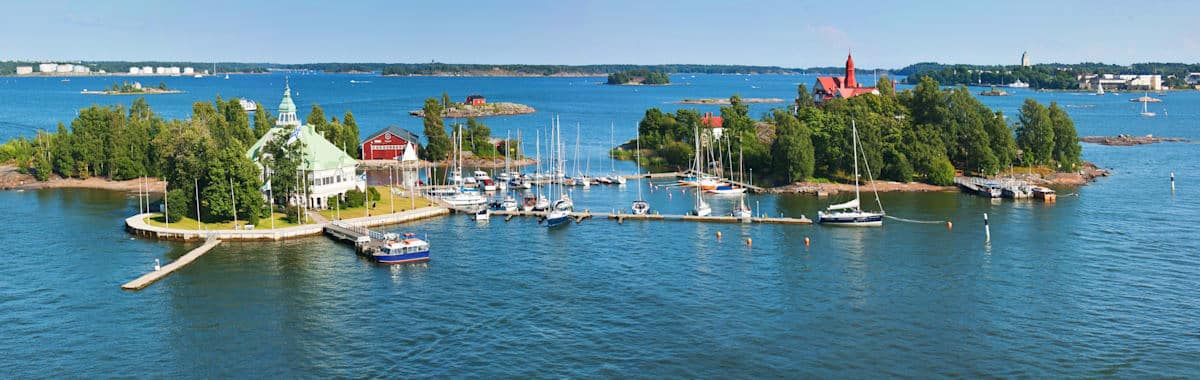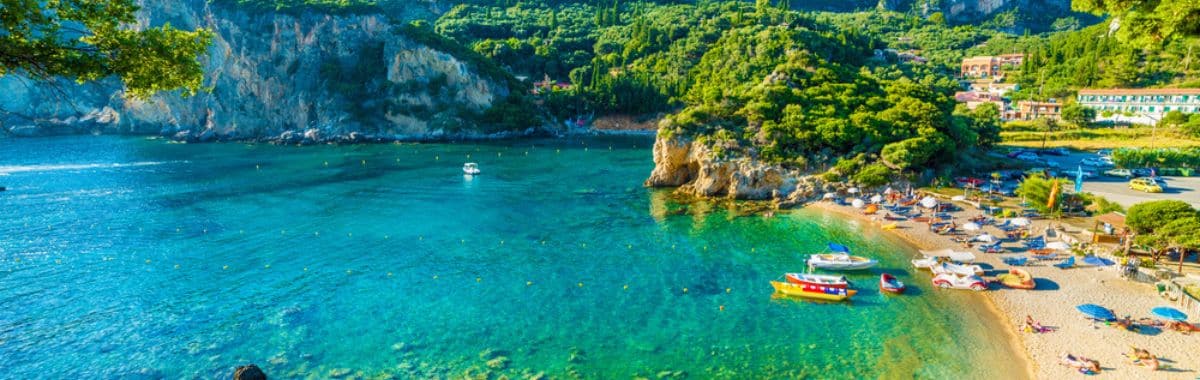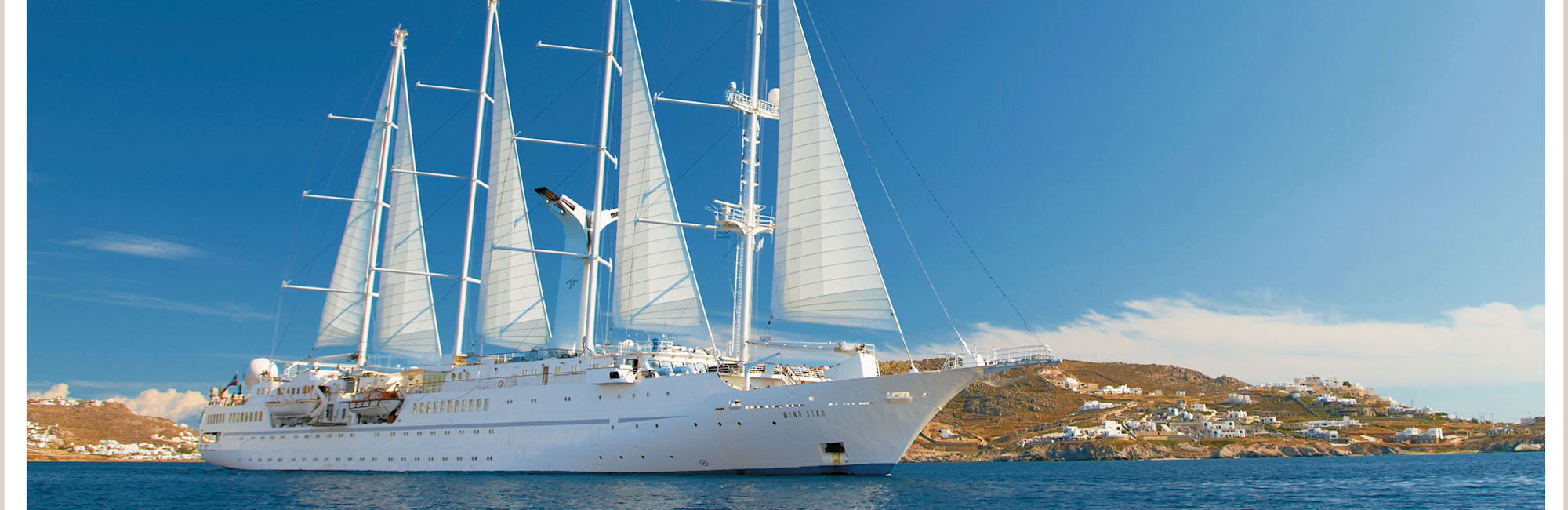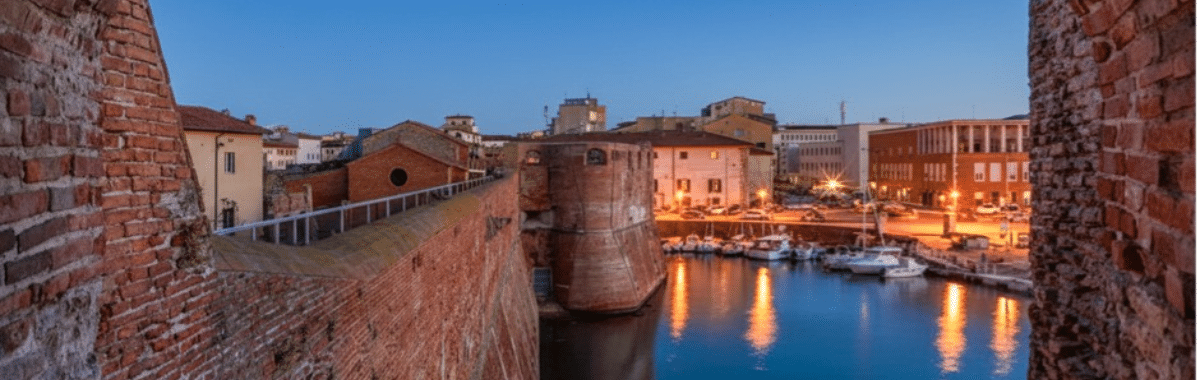
Earlier this year, in mid-January in fact, it occurred to me that combining a three-night stay in Venice, a cruise homeport, with one of Windstar’s “locals’ season” European voyages, could be an unusual way to kick off the new year. My seven night voyage from Venice to Rome on Star Legend started with an overnight right in the city center and included stops at Split, Dubrovnik, Taormina, and Naples.
Having visited often in spring, summer and fall, La Serenissima-in-January was a calming revelation. How so? After visiting the Guggenheim museum on a cloudy day that served to illuminate Peggy Guggenheim’s colorful, chaotic collection, I wandered by its gift shop and became fascinated by a book I found there. Immediately bingeing on The Politics of Washing: Real Life in Venice by Polly Coles, I found it captured a mood and ambience that I’d never before experienced here.
“You cannot live in a place that is three parts myth to one part daily life and not engage with it in ways that range from the banally pragmatic…to the profound: how would all the world be if it were freed from the tyranny of a car,” she writes. “What effect does water have on the soul? How might a child conceive of his place in the present when growing up in a environment so palpably chiseled out of centuries of history?”
While visitors to Venice will never ultimately really know how it feels to be a local there, a trip in “locals’ season” – and her story — gave me a glimmer into life in Venice that sits below the surface. It’s an experience that still surprises and delights in unexpected ways.
For those considering a winter getaway, here are my favorite reasons why Venice is a wonderful port of embarkation (or debarkation) around which to build a Mediterranean cruise.
Fewer Visitors
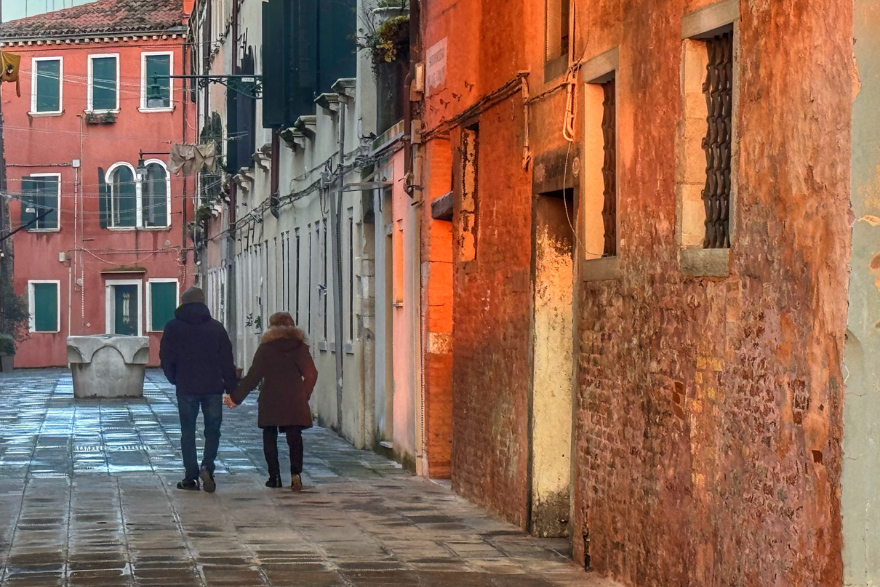
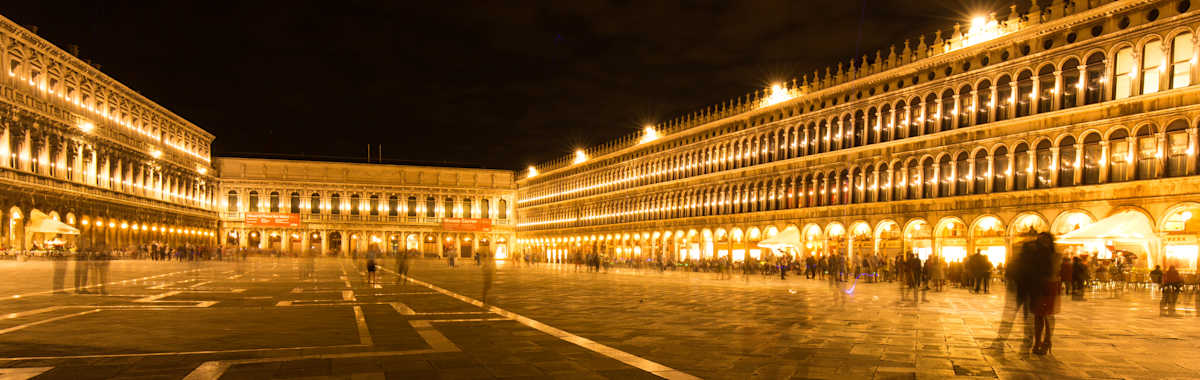
While there were handfuls of tourists who congregated around the still somewhat-busy Rialto Bridge, the area around Stazione Santa Lucia, parts of central neighborhoods adjacent-to-the-Grand Canal, and the marquee destination, the Piazza San Marco, the pace in other spots was distinctly more laid back than during any other visit. The aforementioned Guggenheim wasn’t deserted but it wasn’t packed, either. Dining at alfresco cafes (see weather, below, you’d be surprised), whether on piazzas, alongside canals or in truly cozy indoor spots that you’d not have otherwise noticed, there was always a table.
On one outing at a Murano glass factory, the grizzled glassmaker demonstrated his craft to an audience of one (well, just me and a guide who translated his process in what was not meant to be a private visit). In the shops attached to the factory, I browsed, languidly. There were no crowds to fight with. The discovery that moved me most was a visit to the Scuola Grande di San Rocco, a lesser-known museum that celebrates the work of Renaissance artist Tintoretto, who trained under Titian. Not being very knowledgeable about art from that period, I was captivated by its massive and dramatic canvases that captured religious themes with bold colors and dramatic light. To truly see canvases on the ceiling and high on the walls, the museum provides you with (heavy though portable) mirrors that help you see up close.
I was one of just a handful of visitors to Scuola Grande di San Rocco that day and felt as if I were lost in a dream of time and place.
Here’s a travel hint: If one of the benefits of visiting Venice is the much-reduced number of visitors and the easy accessibility of shops, cafes, museums and glass factories, the flip side to that is some of them may be closed during your visit (not during Carnival or the festive holidays but possibly in the weeks between them). Guidebooks recommended this season to visit Murano and Burano; my experience in Murano was that beyond my glass factory visit its restaurants and shops were pretty much closed down. Also: even in busier areas, it helps to be flexible. A pal who adores Venice gave me a whole list of places to visit; some of them were “on vacation” during my stay.
You may want to consider different criteria when choosing your hotel or home-away-from-home for a pre- or post-cruise stay
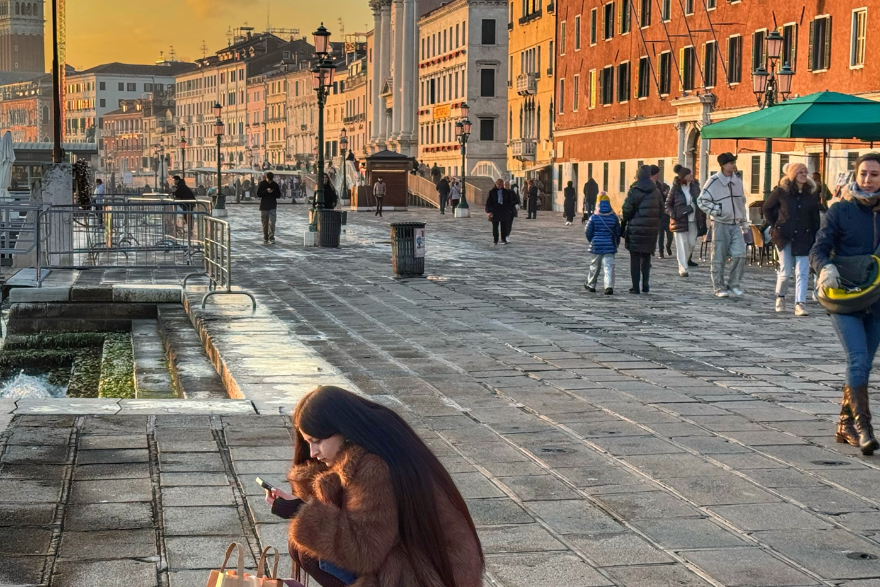
Having traveled on Star Legend several times, I already knew what to expect from my cruise ship. Choosing a hotel for my three night-pre cruise visit was a bit more challenging. Even in January, there are so many choices.
Normally on visits to Venice you want to walk everywhere. Even in January I planned to get my steps in, but one unusual criteria for this trip was that I wanted to be close enough to a vaporetto station that could get me everywhere if I wanted to take a ride (and sometimes I hopped on just because I love the experience of sailing down the Guidecca and Grand canals). The hotel needed to have services, so that a restaurant was available if I didn’t feel like venturing out at night.
And it needed to be charming because in winter, you want to be cozy. I chose Ca ‘di ‘Dio, just opposite the Arsenale stop (and right about where the Grand and Guidecca canals meet) in the Castello district. Arsenale is even a stop on the airport-to-Venice route. The 13th century hotel, which began as a pilgrim’s hostel in the 13th century, had just emerged from a massive refurbishment. The place had a warmth that surprised me — not just in its centuries‑old walls, but also in the way the staff welcomed me with an unexpected upgrade that made me feel instantly at home.
Plus, this property offered wonderful proximity to neighborhoods where people do live year-around, so there were plenty of services (markets, indoors and out, pharmacies and easy-going cafes) open nearby.
Here’s a travel hint: Of all the criteria I weighed before choosing this hotel, the most important was its location. Another hotel that caught my eye was La Calcina, in the Dorsoduro district on the Guidecca Canal, when I stopped in for a cozy (indoor lunch) and met a couple who had just checked in for a pre-cruise stay before departing on our Star Legend voyage. One extra benefit here is that if you don’t have a tremendous amount of luggage you can literally walk to Star Legend’s docking spot.
The weather wasn’t as winter-ish as I expected. Still, pack smartly.
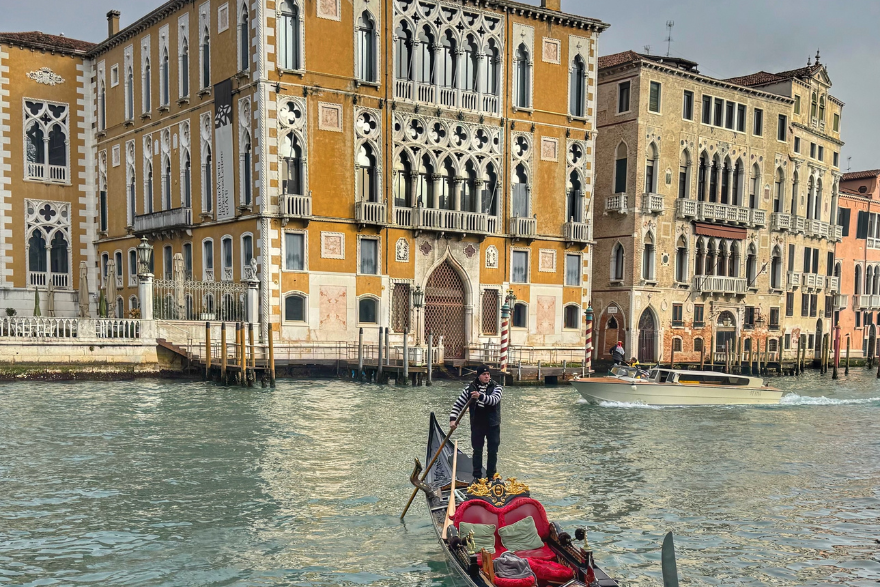
My first full day in Venice was just a gorgeous one. The sunshine across the Guidecca/Grand Canals was warm and melting. After strolling through the area, including the gardens at the Arsenale, which I’ve always loved but perhaps never fully appreciated, I came back to my hotel, where the alfresco café, with heaters, for sure, was doing a brisk but not too busy business. What a view!
On other days, it could be rainy and foggy, and I’d packed and planned for that (not just for Venice but also for the rest of our Adriatic cruise from Croatia and around southern Italy). The weather dictated my plans for the day and it felt freeing to be flexible. Some days it was all about walking along the canals. Other days, I really enjoyed prioritizing museum visits, long lazy lunches at cozy boites, like the restaurant at La Calcina, and lovely late afternoon naps.
Ironically, even in the rain Venice has a moodiness that is otherworldly.
Here’s a travel hint: Because I love Windstar’s onboard laundry service, it’s converted me to being a carry-on committed gal. Still, I needed to plan ahead for my pre-cruise adventure; there were two pairs of shoes, one for being onboard, the other for more intense outdoor trekking. I had one wool sweater, and another, a cotton, washable sweater. There were two pairs of easily washable pants that converted from active days to lovely, indulgent evenings (I’m traveling to Windstar’s locals’ season cruise in Spain, soon, and will pack just the same). And a couple of silk tops to make evenings feel a bit more festive.
The most useful combo, though, was a down vest, to keep me warm if it was needed, and a fantastic (if not terribly flattering) Finnish rain poncho, that I could wear on top, and that would keep me dry. No matter what, I was prepared.
Venice celebrates in winter. You can, too
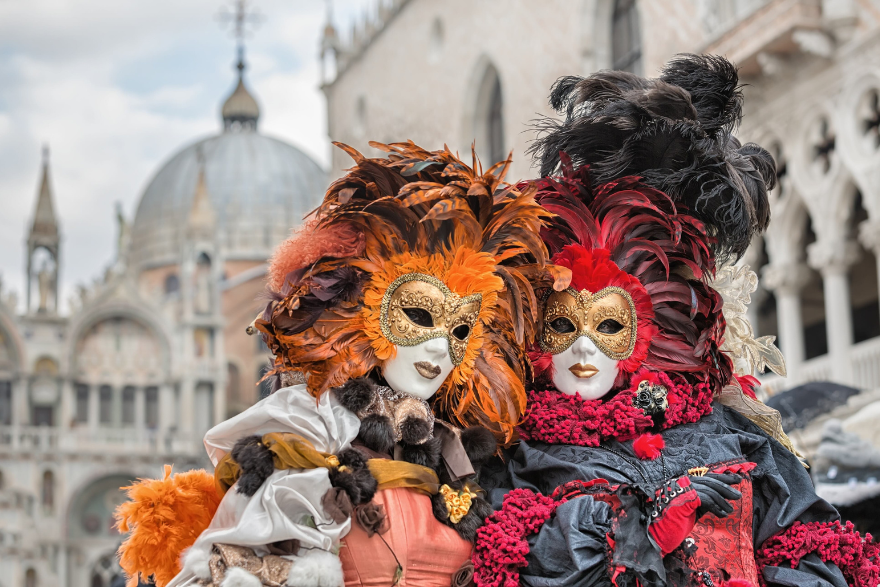
Venice may be quieter in winter, but don’t be fooled — the city still knows how to celebrate. Carnival is probably the busiest “off‑season” experience you can have here, rivaling the energy of summer. The masks, parades, and pageantry transform Venice into a living stage, and the atmosphere is unforgettable (in 2027, Windstar’s Star Explorer offers three cruises that touch on the city during its Carnival festivities).
A Winter Voyage with Windstar
Windstar’s local seasons cruises have become something I look forward to each year. Last year I sailed from Rome to Barcelona, also on Star Legend. And soon, I’ll embark Star Seeker to explore southern Spain’s ports of call.
Venice in winter was a revelation — quieter, more intimate, and endlessly rewarding if you take the time to wander. On this last afternoon, as my visit began winding up, I turned a corner in the colorful and central neighborhood of Santa Croce and suddenly saw Star Legend waiting there, tucked into the city as if it belonged. That moment captured the magic of small-ship travel and the way it folds seamlessly into everyday life.
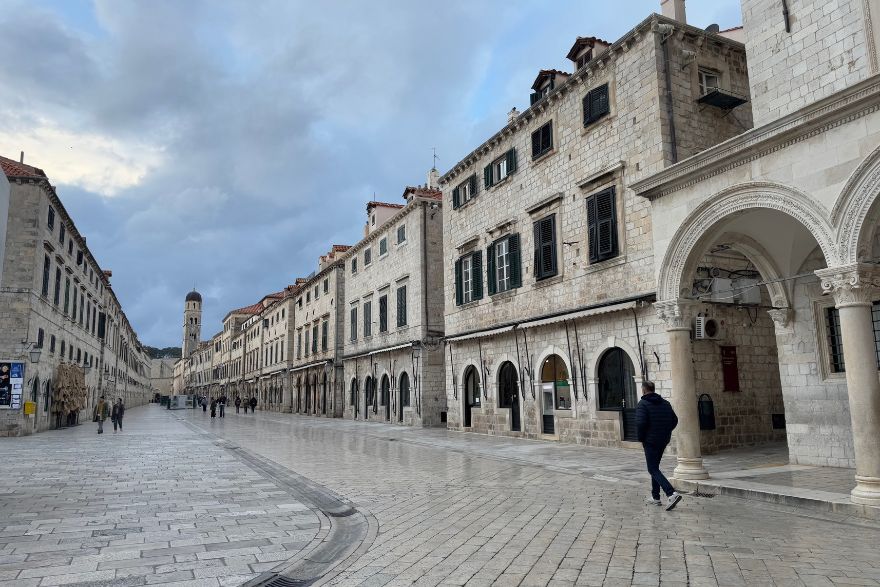
The Adriatic itinerary itself unfolded with its own surprises. Dubrovnik, often crowded in summer, felt transformed in January. Without the crush of visitors, the city revealed a more local rhythm, and my tour there, venturing to a farm where we learned how to make a traditional Croatian dish, became one of my most memorable experiences. At the Teatro Antico di Taormina in Sicily, on a gorgeous sunny, cool day, you could literally see forever. Naples was another delight — it’s not always on Windstar’s summer routes but a joy to explore at a slower pace. I spent the day strolling its storied streets, pausing for a long lunch with crisp local white wine, and savoring the seasonal calm.
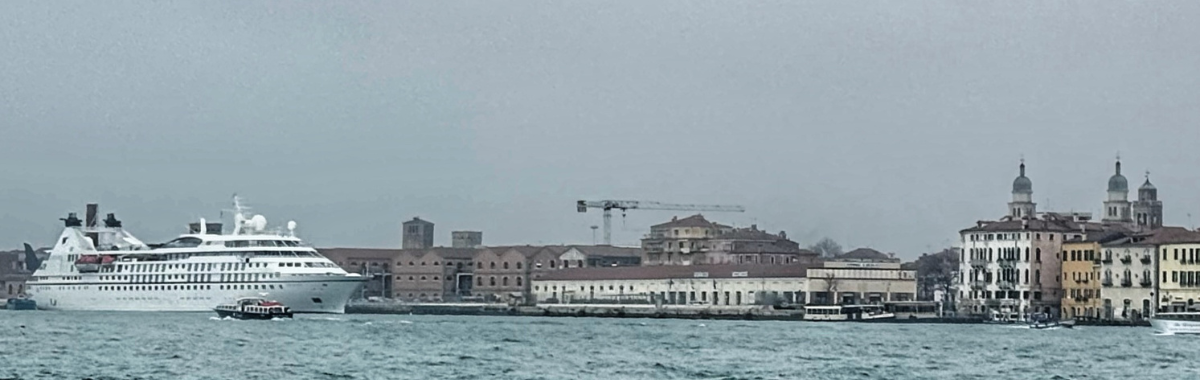
Back in Venice, Star Legend docked overnight in Santa Croce. I dropped my bag, reconnected with familiar crew, and enjoyed dinner at Amphora. That’s the essence of Windstar: after days of exploration, stepping back onboard feels like coming home.
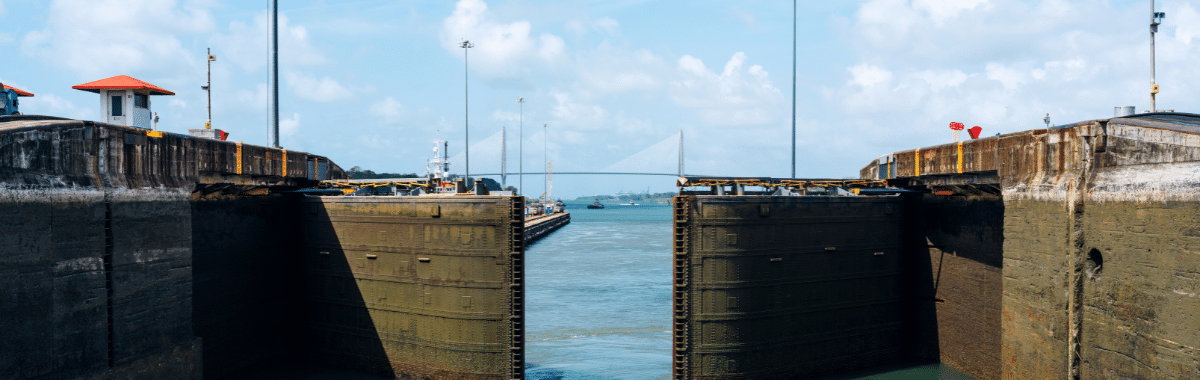
And departing Venice? That was another unexpected highlight. Sailing out through the gulf toward the Mediterranean, you witness the engineering marvels designed to protect the city from rising waters. Venice’s flood‑protection system is called the MOSE project, a series of mobile barriers designed to protect the Venetian lagoon from the Adriatic’s high tides and flooding via huge gates at the inlets of Lido, Malamocco, and Chioggia.
This journey captured what I love most about Windstar’s local season itineraries in Europe: the balance between exploring cities in their quieter months and returning to a ship that feels personal, welcoming, and restorative. Even in January, the Adriatic offered warmth of a different kind, not just in climate, but also in connection.